When people think about danger in horse racing, they usually imagine the final straight.
Horses are exhausted.
Jockeys are pushing for the finish.
The crowd is roaring.
Every horse is moving at tremendous speed.
But some of the most critical moments in racing happen before the race reaches its most exciting point.
Sometimes danger arrives in a fraction of a second, when a horse breaks awkwardly from the barriers, loses its rhythm, gets crowded by another runner or encounters a sudden change in conditions.
And one of the most important moments can happen before the horses have even reached full speed.
The Starting Gate: Where Everything Begins
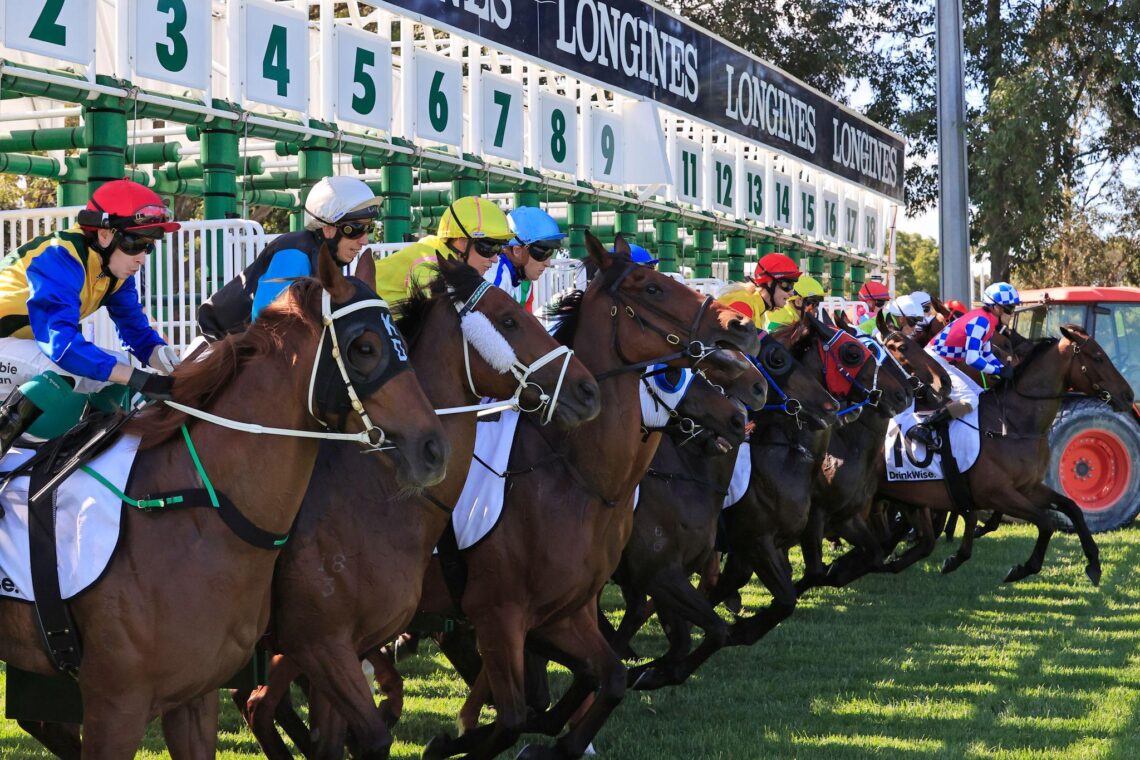
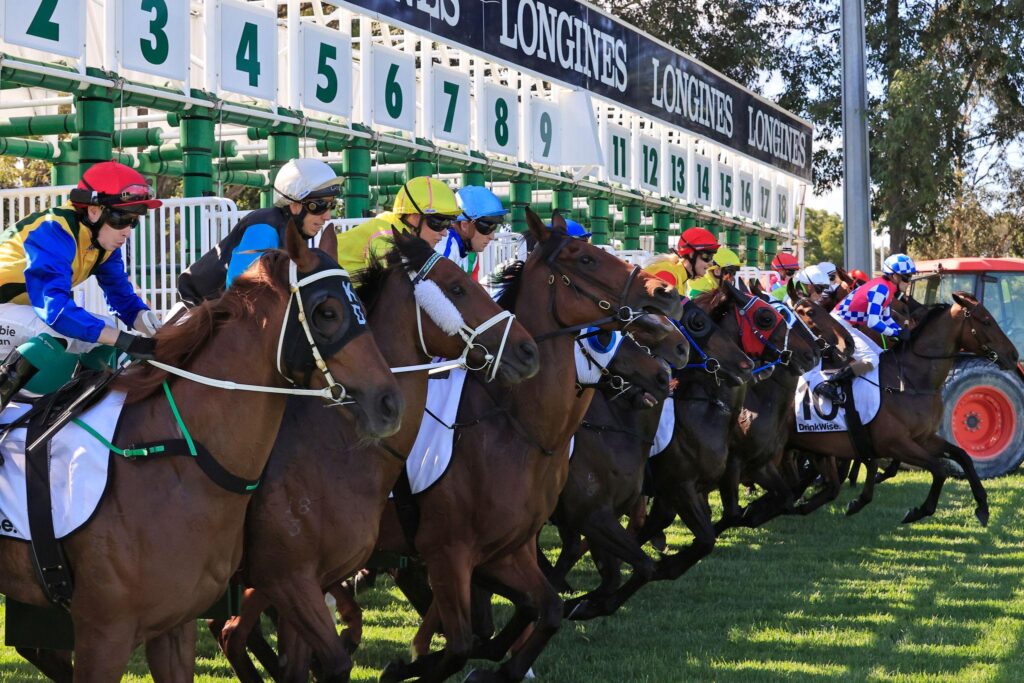
Imagine standing inside a starting barrier.
The horse is surrounded by other horses.
There is movement everywhere.
Jockeys are preparing.
The crowd is waiting.
Then the gates open.
The entire field launches forward almost simultaneously.
At that moment, dozens of legs are moving at extraordinary speed within a relatively small space.
A clean start can immediately put a horse into a favourable position.
But a poor start can create problems before the race has properly begun.
A horse might jump awkwardly, lose balance, hesitate or move sideways.
Another horse may be breaking forward at exactly the same time.
That is why the first few seconds require enormous control and awareness.
When Horses Are Too Close Together
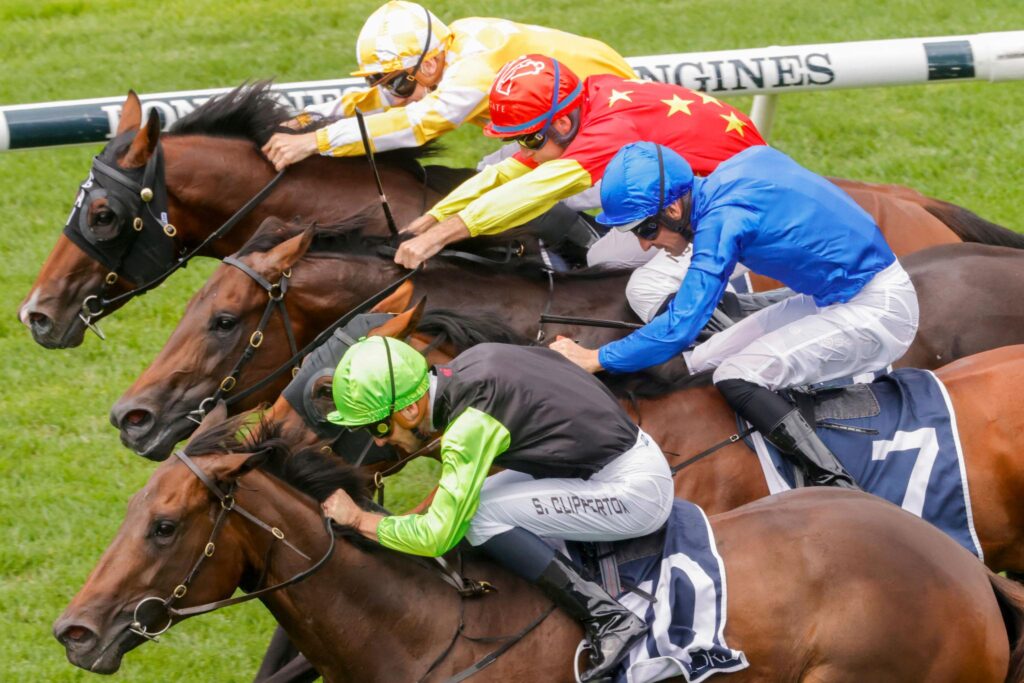
Horse racing becomes particularly demanding when runners are tightly packed.
A horse may have another runner directly beside it, one slightly ahead and another immediately behind.
The jockey has very little room to react.
A sudden change in direction by one horse can affect several others.
This is where positioning becomes crucial.
Experienced jockeys constantly search for space.
They are not only thinking about how quickly their own horse can run.
They are also watching what the surrounding horses are doing.
The Danger of Losing Rhythm
A racehorse’s movement depends on rhythm.
A clean gallop requires coordination between the horse’s legs, body and breathing.
If that rhythm is interrupted, even briefly, the horse can lose balance.
The problem can become more serious when it happens at racing speed.
This is one reason jockeys pay close attention to how their horses are travelling.
A horse that suddenly feels uncomfortable may need to be eased rather than pushed.
Sometimes the safest decision is also the hardest one:
stop chasing the race.
The Jockey Has a Difficult Job
From the outside, jockeys can appear almost motionless.
In reality, they are constantly making small adjustments.
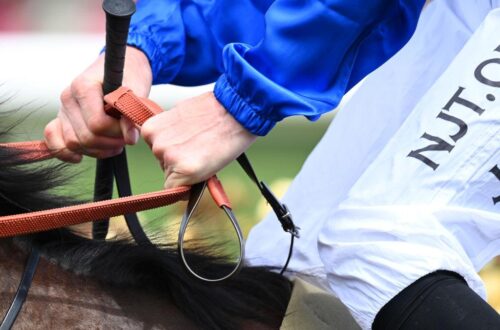
They manage the reins.
They change their body position.
They communicate through their legs.
They monitor the horse underneath them.
And they watch the horses around them.
All of this happens while travelling at speeds that leave very little room for error.
A jockey therefore has two responsibilities.
Try to win the race.
Keep the horse and themselves as safe as possible.
The second responsibility always comes first.
When the Track Changes the Equation
Track conditions can also alter the risks of racing.
Dry turf behaves differently from wet turf.
A surface can become softer after rain.
Different tracks can have different characteristics.
Even the same racecourse can feel completely different depending on weather and maintenance.
For a horse, these changes matter because every stride involves contact between hoof and ground.
A jockey therefore needs to understand how the horse is responding to the surface.
The Turn Can Be More Important Than the Straight
The straight section of a race looks spectacular because horses are often travelling at maximum speed.
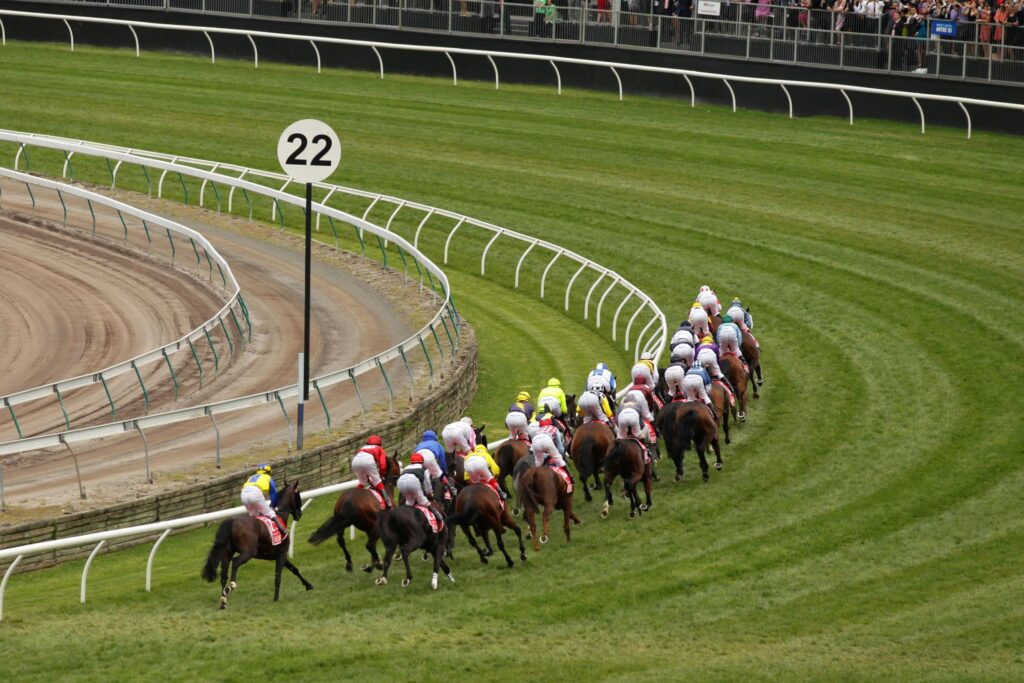
But turns create another challenge.
A horse has to maintain speed while changing direction.
The field can become compressed.
Some horses may be forced wider.
Others may search for a gap closer to the rail.
A jockey must balance speed with positioning.
Move too early and the horse may waste energy.
Move too late and the opportunity may disappear.
The Moment Nobody Wants to See
Sometimes the most frightening moment is not dramatic at all.
A horse suddenly stops travelling comfortably.
A jockey notices something is wrong.
The rider immediately changes the plan.
To spectators, it might look like the horse has simply dropped out of contention.
But experienced racing professionals understand that finishing last is irrelevant if the alternative is risking the horse’s wellbeing.
The race can be lost.
Another race will come.
The priority is getting the horse home safely.
Modern Racing Is Built Around Safety
Horse racing has changed considerably over time.
Racecourses, racing authorities, trainers, veterinarians and jockeys continually work on ways to reduce risk.
Pre-race veterinary checks, track inspections, barrier procedures, medical support and rules governing jockey behaviour all form part of modern racing.
Technology is also becoming increasingly important.
Data can help racing professionals understand track conditions, horse performance and movement.
Veterinary imaging and monitoring can provide additional information about a horse’s physical condition.
The goal is not to eliminate every risk—no high-speed sport involving animals and humans can do that—but to identify and manage risks as effectively as possible.
Why the Finish Line Gets Too Much Attention
The finish line is where the winner is decided.
It is where the photographs are taken.
It is where the crowd celebrates.
It is where trophies are presented.
But the finish line is only the final moment of a much longer sequence.
The real story begins when the horse enters the barriers.
It continues through the start, the first turn, the middle stages, the tactical battles and the final straight.
Every part of the race requires control.
And sometimes the most important decision is not how to win.
It is knowing when something isn’t right.
The Race Isn’t Just About Speed
Horse racing is often described as a contest of speed.
But watch a race closely and you will see something much more complicated.
You will see balance.
Timing.
Communication.
Positioning.
Judgement.
And an enormous amount of trust between horse and rider.
The fastest horse doesn’t always win.
The smartest ride can make the difference.
And the safest decision can sometimes be the most important decision of the entire race.
The Real Victory
When the crowd sees a horse cross the finish line first, it sees a winner.
But for trainers, jockeys and stable staff, another kind of victory matters just as much.
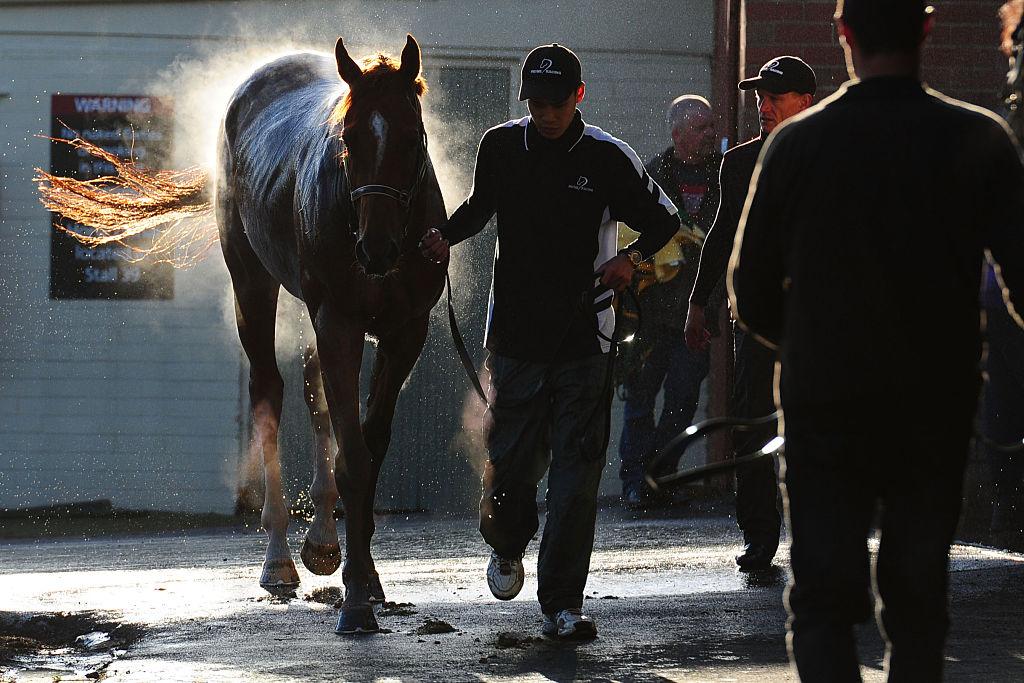
Seeing the horse return safely.
Seeing it walk back toward the stable.
Watching its breathing settle.
Knowing it can recover and hopefully race another day.
Because horse racing may be built around competition, but behind every race is an animal whose welfare must come first.
The finish line tells us who won.
Everything before it tells us how the race was survived.