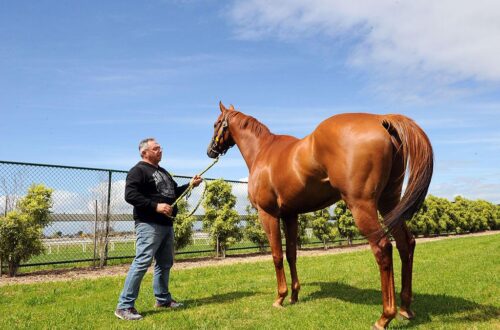
A racehorse can begin its life as an overlooked young thoroughbred, standing quietly in a paddock with no idea what the future holds.
Then someone buys it.
Maybe for $5,000.
Maybe for $10,000.
Maybe for less than the price of a new car.
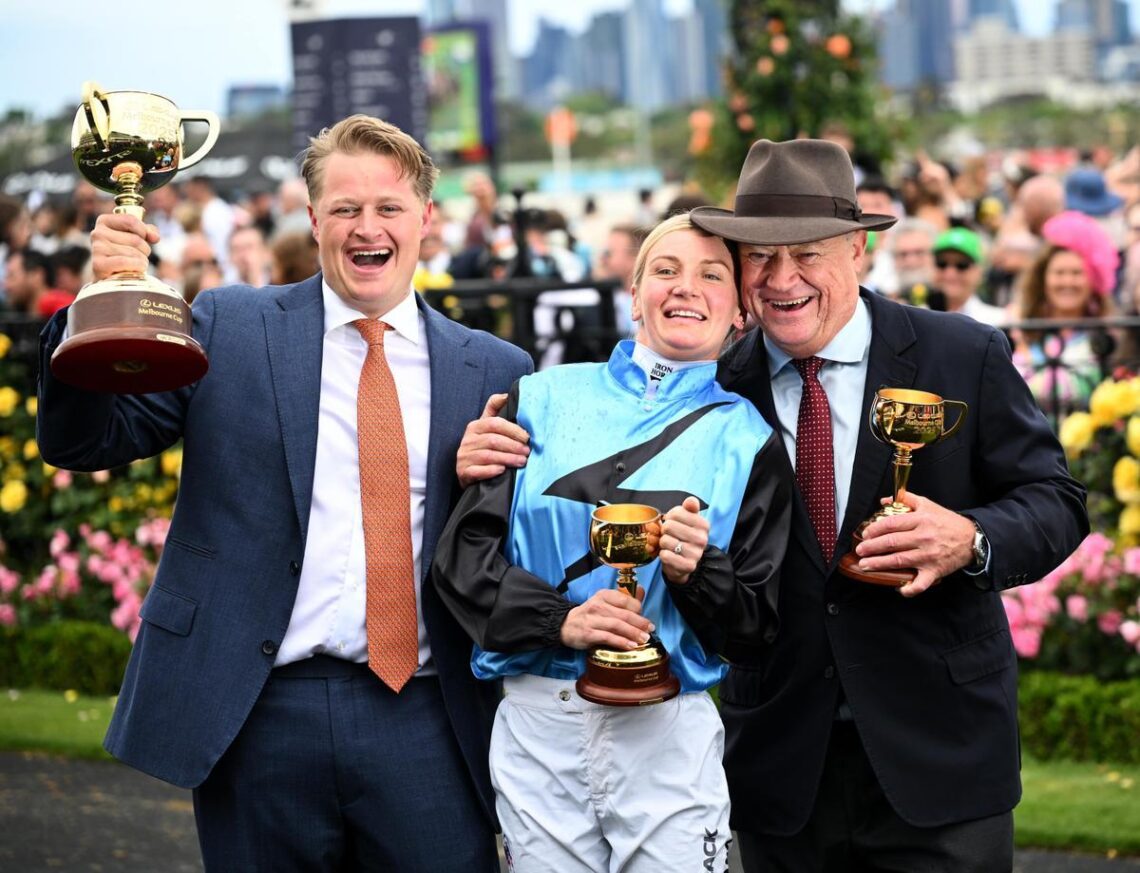
Years later, that same horse could be standing in the winner’s circle after a major race, surrounded by cameras, owners, trainers and cheering crowds.
That transformation is one of the most fascinating parts of horse racing.
But the real story isn’t simply about winning prize money.
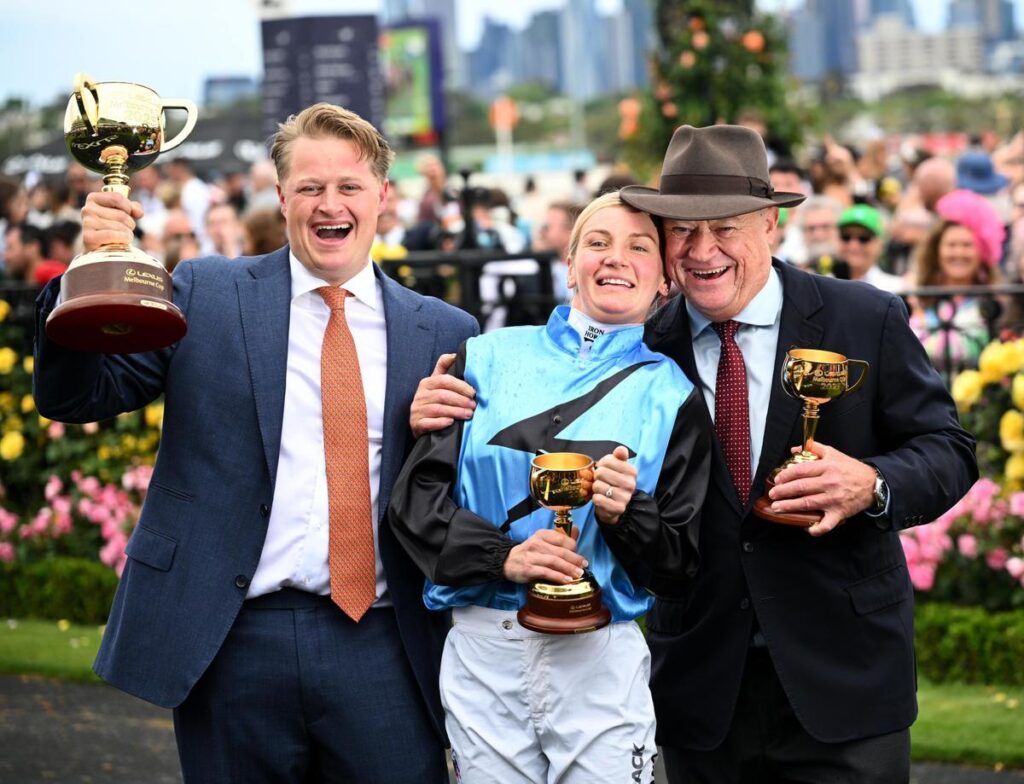
A successful racehorse can create breeding value, ownership opportunities, media attention, sponsorships and an entirely different financial future for the people connected to it.
And sometimes, the numbers become extraordinary.
The $5,000 Horse That Nobody Expected to Become a Star
One of Australian racing’s greatest examples is Takeover Target.
He wasn’t born into the kind of story people normally associate with elite racehorses.
He was purchased for just A$1,250 as a yearling, according to the Australian Racing Hall of Fame.
His owner and trainer, Joe Janiak, was a former taxi driver who trained the horse himself.
What happened next was extraordinary.
Takeover Target eventually won major races in Australia and overseas, including the King’s Stand Stakes at Royal Ascot in England.
His racing career ultimately produced A$6.2 million in prize money.
A cheap yearling had become an international racing star.
That is the dream that keeps people fascinated by thoroughbred racing.
But Winning Prize Money Isn’t the Whole Story
It is easy to look at a horse’s prize-money total and assume that is what made the owners wealthy.
The reality is more complicated.
Racehorses can generate value in several different ways.
Prize Money
The most obvious source is racing earnings.
Major races can offer enormous prize pools, with winners receiving a substantial share.
But owners don’t simply receive a guaranteed fortune because their horse wins one race.
There are training fees, veterinary expenses, transport, insurance, racing nominations and other ongoing costs.
A winning horse can therefore produce significant revenue while also requiring significant investment.
The Real Jackpot Can Come After Racing
For an exceptional horse, the biggest financial opportunity may arrive after its racing career.
Breeding.
A successful stallion can become commercially valuable because breeders want access to its genetics.
A successful mare can also become extremely valuable as a broodmare, particularly if she has an elite racing record or comes from a desirable bloodline.
This creates one of the strangest realities in horse racing:
A horse can become more valuable after it stops racing.
Its career on the track may have created the reputation that makes its bloodline valuable for the next generation.
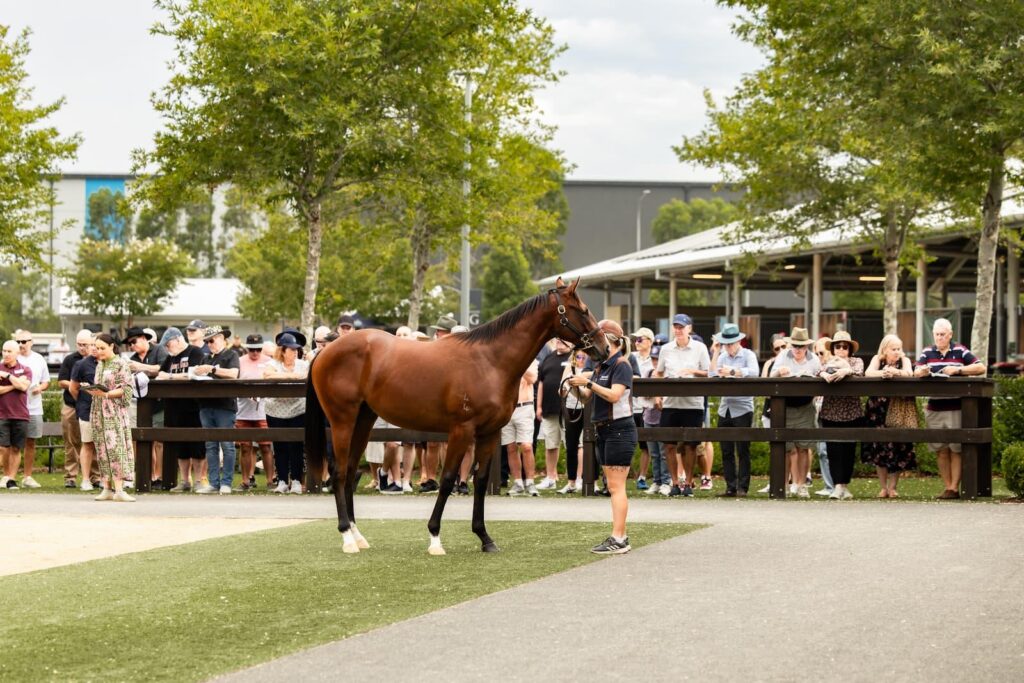
From Racehorse to Bloodstock
Imagine buying a young horse for a relatively modest price.
It develops into a Group-level winner.
Suddenly, people who once ignored its pedigree are studying it.
Its offspring may become commercially attractive.
Its breeding rights can become valuable.
Its name starts appearing in sales catalogues.
The horse has effectively moved from being a racehorse to becoming a bloodstock asset.
That transition is one of the most fascinating financial pathways in racing.
Ownership Isn’t Always One Person
Another misconception is that every racehorse has one wealthy owner standing beside the trainer.
Modern racing can look very different.
A horse can be owned by a partnership involving numerous people.
Syndicates allow individuals to purchase smaller shares in racehorses rather than carrying the entire cost themselves.
This means someone who could never afford to purchase and maintain an elite racehorse alone may still become a racehorse owner.
They get to experience race days, stable visits, ownership events and the possibility of sharing in prize money.
For many people, the experience itself is part of the attraction.
The Horse Can Become a Business
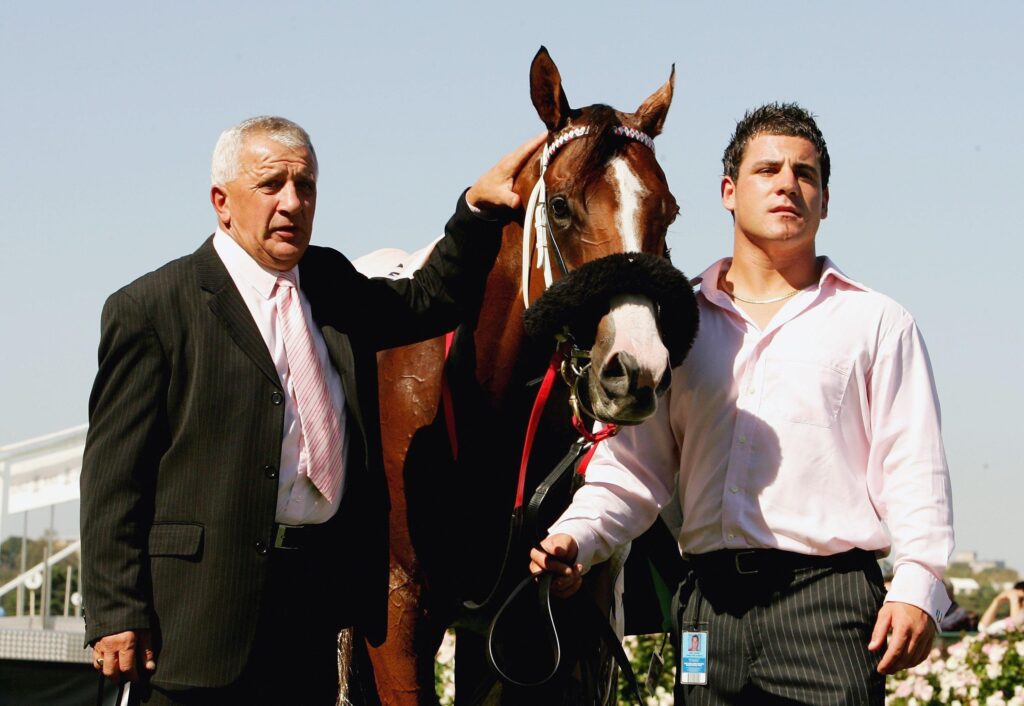
A successful racehorse can create an ecosystem around itself.
Consider everything that happens when a previously unknown horse becomes a star.
The horse needs:
- A trainer
- Jockeys
- Stable staff
- Veterinarians
- Farriers
- Transport
- Nutrition
- Media coverage
- Racing management
- Owners and syndicate managers
Then come the businesses surrounding major race meetings.
Hotels become busier.
Restaurants fill with visitors.
Fashion retailers benefit from race-day events.
Photographers sell images.
Broadcasters create stories.
Sponsors gain exposure.
The horse becomes more than an athlete.
It becomes an economic engine.
Fame Can Change Everything
There is also something less tangible: recognition.
A winning racehorse can turn an unknown owner into a familiar name within the racing community.
An ordinary stable can suddenly attract attention.
A trainer can receive more opportunities.
A bloodstock business can gain credibility.
A breeder can see increased demand for their horses.
One victory can therefore create opportunities that extend far beyond the prize cheque.
But Racing Is Still a Huge Gamble
This is where the glamorous version of the story needs a reality check.
For every horse that becomes a Takeover Target, there are countless horses that never become household names.
Most young racehorses do not become million-dollar stars.
Some never win a race.
Some never make it to the track.
And owners can spend considerable amounts on a horse without ever receiving those costs back through prize money.
That is why buying a racehorse should never be viewed as a guaranteed investment.
It is a combination of sport, business, emotion and risk.
Why People Keep Trying
If the financial risks can be so high, why do people continue doing it?
Because the potential reward isn’t only financial.
Imagine owning a small share of a horse and receiving a phone call:
“Your horse has been accepted for the Melbourne Cup.”
Suddenly, years of expenses, uncertainty and waiting become part of one enormous moment.
You travel to the track.
You stand among thousands of spectators.
Your horse enters the barriers.
The gates open.
And for a few minutes, everything depends on what happens on the track.
That experience is something money cannot easily replicate.
The Million-Dollar Dream
The fascinating thing about racing is that nobody knows which horse will become the next great success story.
A horse that looks ordinary at a young age can develop into a champion.
A horse bought cheaply can defeat horses worth millions.
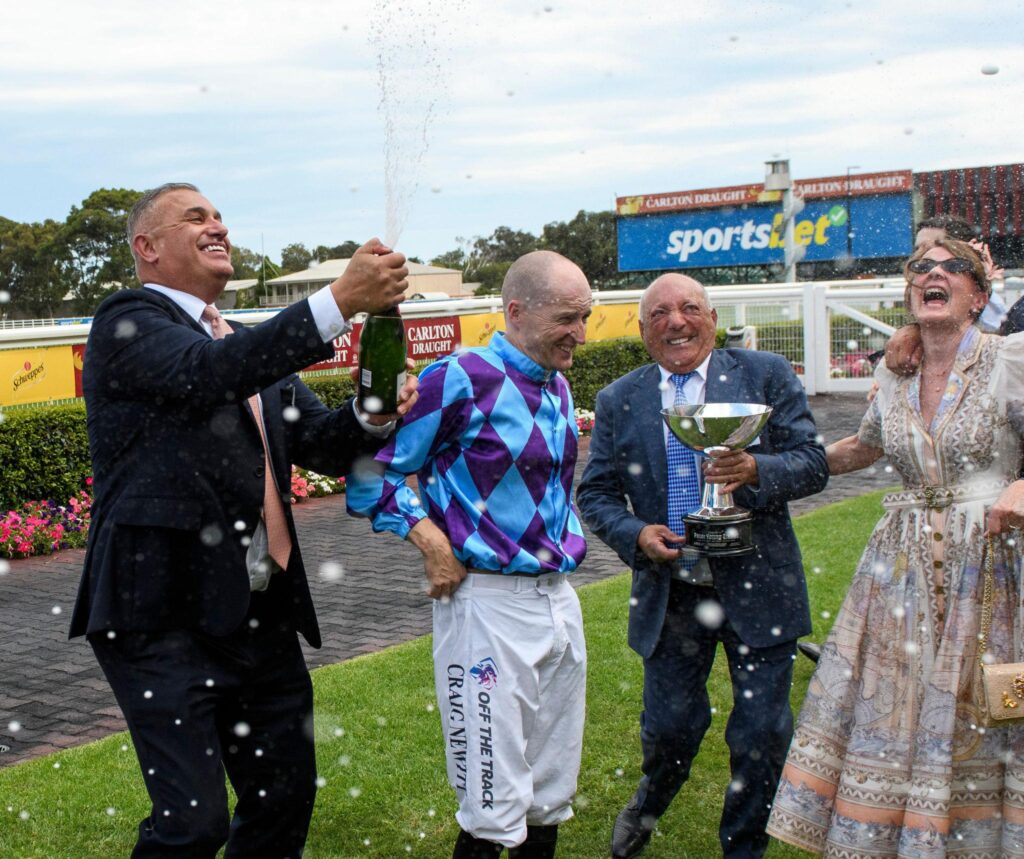
A small ownership group can suddenly find itself celebrating on one of racing’s biggest stages.
But those stories are exceptional precisely because they are difficult to achieve.
The dream is simple:
Buy a horse. Believe in it. Watch it win.
The reality is much harder.
Behind every extraordinary success is years of training, investment, uncertainty, expert judgement and more than a little luck.
And somewhere in Australia today, another young thoroughbred is standing in a paddock.
Its future is unknown.
Its value has not yet been discovered.
Perhaps it will remain an ordinary racehorse.
Or perhaps, one day, it will run into the history books—and turn a relatively small purchase into a life-changing story.