When the horses thunder past the finish line, most spectators see only a few names.
The winning horse.
The jockey.
The trainer.
Perhaps the owner.
But behind a single race is an enormous network of people whose work rarely receives attention.
Before the gates open, someone has transported the horses.
Someone has prepared their feed.
Someone has cleaned their stables.
Someone has checked their health.
Someone has prepared the track.
Someone has organised the race.
Someone is operating the cameras.
Someone is preparing the broadcast.
Someone is managing the crowd.
And someone is already thinking about what happens after the race.
A horse may be the star of racing, but hundreds of people can be part of the production behind the scenes.
The Trainer: The Person With the Plan
The trainer is one of the most visible members of a racing team, but the job goes far beyond race day.
Trainers develop training programs, monitor performance, manage race schedules and make decisions about when a horse should compete.
They also work closely with veterinarians, jockeys, stable staff and owners.
A successful trainer isn’t simply trying to make a horse faster.
The goal is to have the horse healthy, fit and prepared at the right time.
Stable Staff: The People Who Start Work First
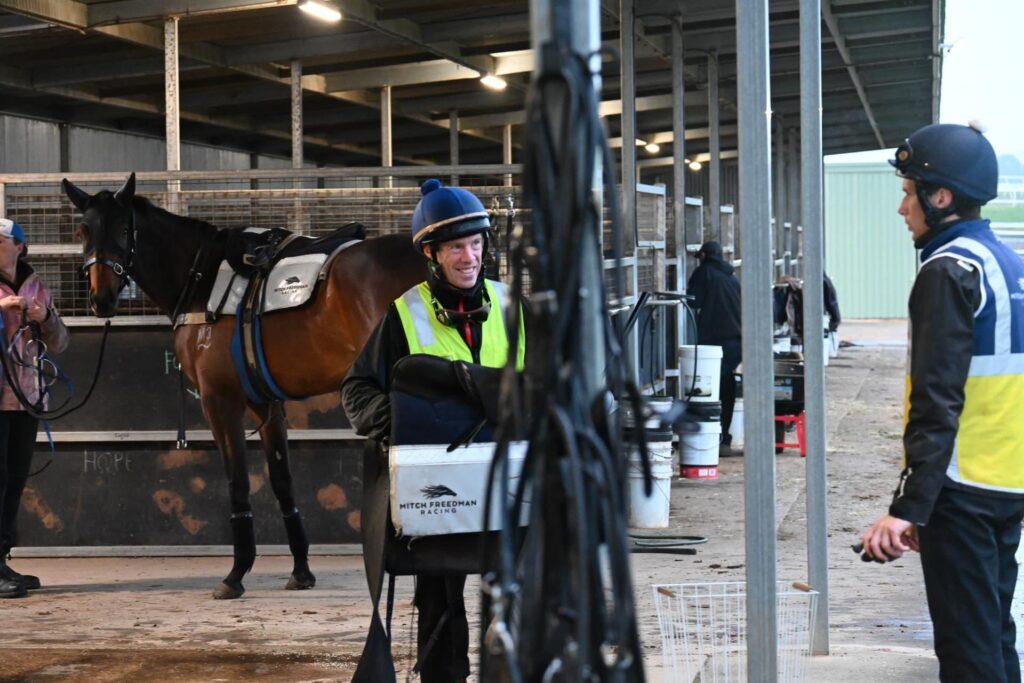
Long before spectators arrive at the racecourse, stable staff are already working.
Horses need to be fed, groomed, exercised and monitored.
Stables need to be cleaned.
Equipment needs to be prepared.
Every horse has its own routine, and experienced stable staff learn the personalities of the animals they care for.
They can often notice small changes in behaviour that might otherwise go unnoticed.
For many racing workers, this daily relationship with the horses is one of the most important parts of the job.
The Jockey: More Than Just the Rider
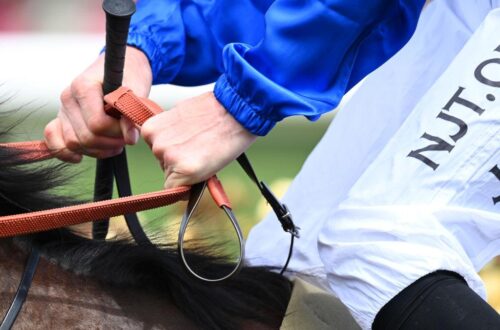
The jockey is the person the public sees during the race.
But getting into the saddle is only one part of the job.
Jockeys study horses.
They discuss tactics with trainers.
They learn track layouts.
They consider barriers, pace, distance and conditions.
During the race, they make decisions in seconds.
A jockey has to understand both the horse underneath them and the horses surrounding them.
That requires experience, concentration and trust.
Veterinarians: Protecting the Athlete
Behind every racehorse is a veterinary team concerned with its health and welfare.
Veterinarians may examine horses before and after competition, investigate injuries, assist with treatment and monitor recovery.
Their role is especially important because racing places significant physical demands on horses.
A horse cannot communicate through words when something is wrong.
Veterinary professionals therefore rely on observation, examination and medical knowledge.
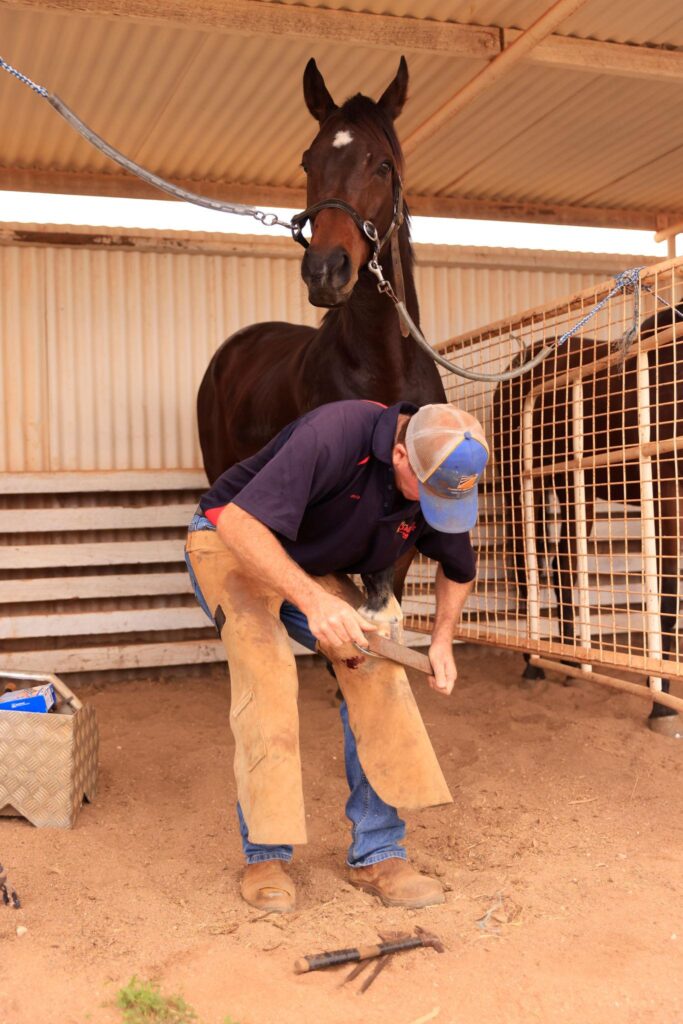
Farriers: The Importance of the Hoof
One of the most overlooked jobs in racing belongs to the farrier.
A racehorse’s hoof is fundamental to its ability to move comfortably and efficiently.
Farriers regularly trim and balance hooves and manage shoeing according to the horse’s individual needs.
It may not look as glamorous as standing in a winner’s circle.
But without healthy feet, a racehorse cannot perform at its best.
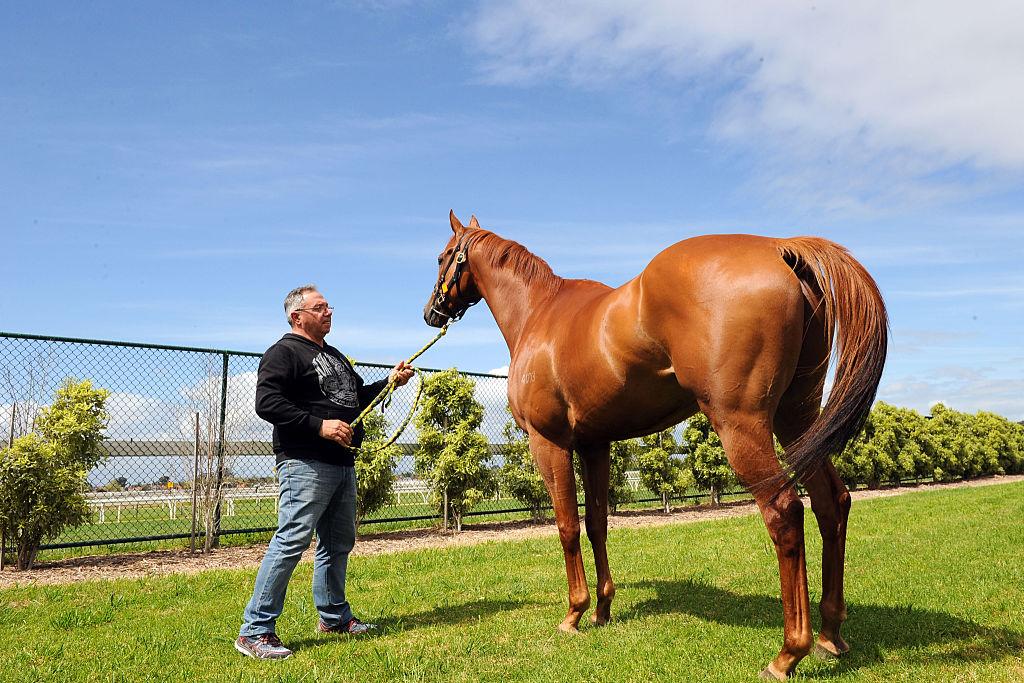
Feed and Nutrition Specialists
Elite racehorses are athletes.
Their nutrition therefore matters.
Feed programs may involve careful consideration of energy requirements, recovery, hydration and the horse’s individual condition.
The people responsible for feeding aren’t simply filling a bucket.
They are part of a carefully managed routine.
A small change in appetite or behaviour can sometimes provide an early indication that something isn’t right.
Transport Teams: Moving the Stars
A racehorse may compete at different racecourses during its career.
That means someone has to move it safely.
Equine transport requires specialist knowledge.
The horse needs appropriate space, ventilation, handling and care throughout the journey.
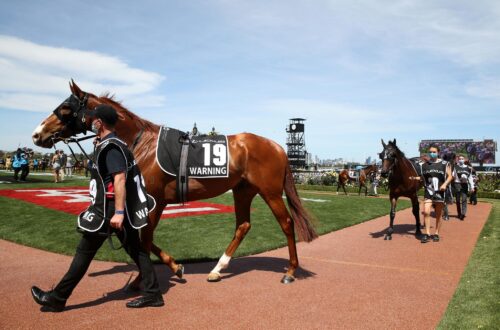
For major racing events, transport logistics can become particularly complicated as large numbers of horses converge on the same venue.
Track Staff: Preparing the Stage
Before the horses arrive, the racing surface has to be ready.
Track staff monitor conditions and prepare the course for competition.
They may assess the surface, manage irrigation, carry out maintenance and respond to weather conditions.
The track isn’t simply a piece of grass.
It is the surface on which every horse will compete.
Its condition can influence how the race unfolds.
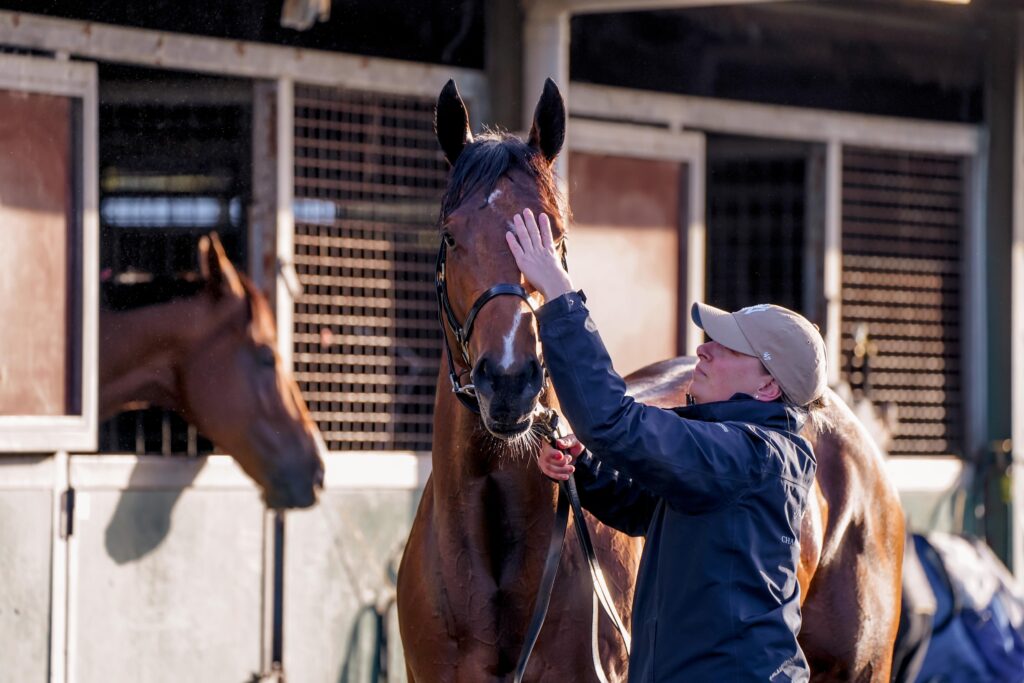
The Officials Nobody Notices
A professional race requires rules.
Officials help ensure those rules are followed.
Stewards monitor races, review incidents and make decisions when required.
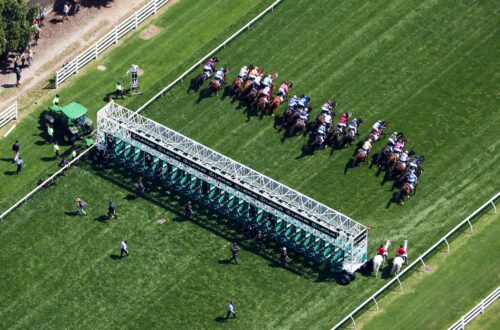
Starters manage the beginning of races.
Judges determine finishing positions.
Other officials and technical staff help coordinate the event.
Spectators may barely notice them unless something unusual happens.
But without them, organised racing would not be possible.
The Photographers Chasing One Perfect Frame
There is another group working while everyone else watches.
Photographers.
A major race can generate thousands of images.
But the best photograph may last only a fraction of a second.
A photographer has to anticipate where the horses will be, understand the light and react instantly.
One image of a horse crossing the finish line can become part of racing history.
The Broadcasters Behind the Screen
Millions of people can watch a major race without ever visiting the racecourse.
That requires an enormous production operation.
Camera operators capture the race.
Commentators describe the action.
Producers coordinate the broadcast.
Technical crews manage signals, replays, graphics and audio.
What appears on a television or computer screen as a simple race is actually the result of a complex media production.
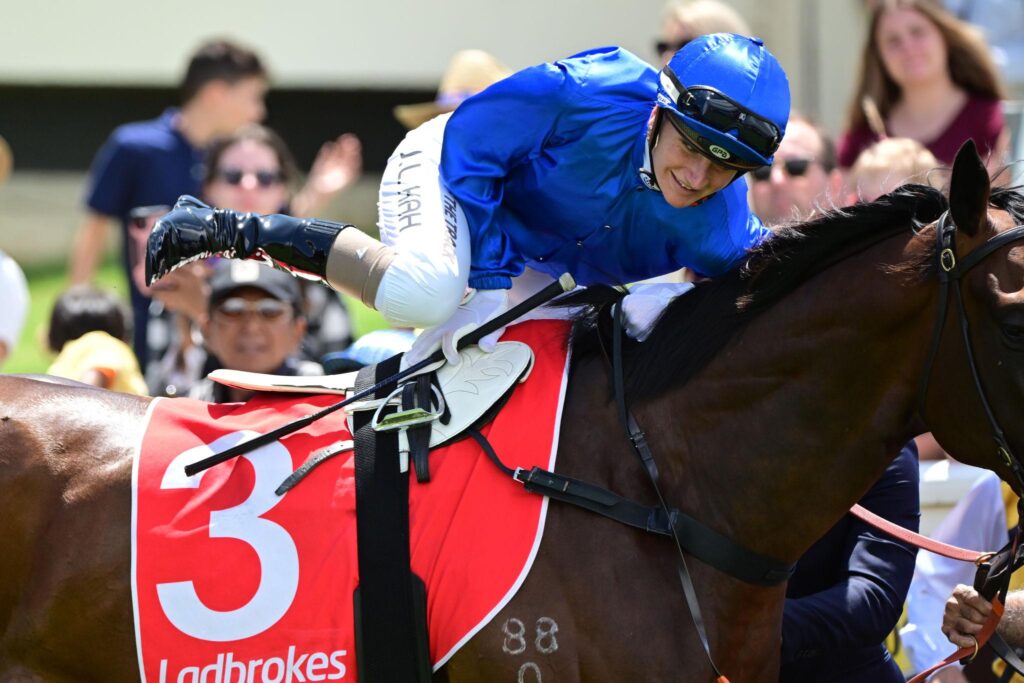
Hospitality and Event Workers
Major racing events are also major public events.
Restaurants need chefs and waiters.
Hospitality areas need staff.
Security teams manage crowds.
Cleaners keep facilities operating.
Customer-service teams assist visitors.
Event managers coordinate hundreds of moving parts.
The racing itself may last only a few minutes, but the event surrounding it can continue for an entire day.
The Technology Team
Modern racing also depends on technology.
Timing systems measure performance.
Communication networks connect officials and staff.
Data systems record results.
Video systems provide multiple views of races.
Digital platforms deliver information to fans around the world.
Technology has become another invisible layer of the modern racing industry.
The People Who Sell the Story
There is also an entire communications industry surrounding racing.
Journalists write race previews.
Photographers capture images.
Broadcasters create stories.
Social-media teams produce content.
Marketing teams promote events.
Public-relations professionals communicate with media and audiences.
The race doesn’t end when the horses cross the line.
The story continues.
Then There Are the Businesses Around Racing
The workforce extends even further.
Breeders produce future racehorses.
Auction houses sell bloodstock.
Feed companies supply nutrition.
Equipment manufacturers produce racing products.
Transport companies move horses.
Insurance businesses provide coverage.
Hotels accommodate visitors.
Restaurants serve racegoers.
Fashion businesses benefit from major racing events.
The economic network surrounding racing is enormous.
One Race, One Massive Team
Imagine watching a major Australian race.
Ten or more horses enter the starting barriers.
The gates open.
The race lasts a few minutes.
One horse wins.
But behind those few minutes is an enormous chain of preparation.
Hundreds of people may have contributed directly or indirectly to making that race possible.
Most of them will never stand in the winner’s circle.
Their names may never appear in the headlines.
But their work matters.
The People Behind the Horse
Horse racing is often described as an individual contest between horses.
In reality, it is a team sport disguised as an individual sport.
The horse may cross the finish line alone.
But it never got there alone.
Behind it are people who fed it, trained it, transported it, treated it, shod it, photographed it, broadcast it, managed the race and maintained the environment in which it competed.
That is the hidden workforce of horse racing.
And the next time the crowd erupts as a horse crosses the finish line, remember:
The winning moment may belong to one horse, but hundreds of people helped make that moment possible.