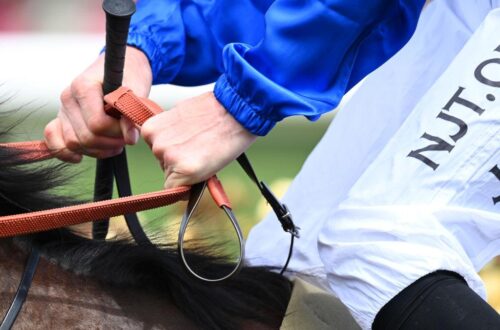
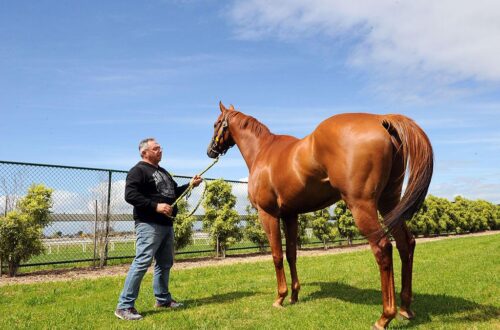
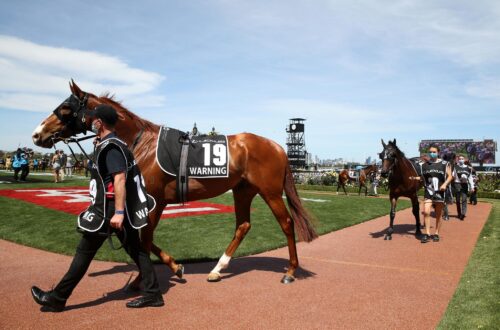
From a distance, a major Australian race day can look almost glamorous.
Thousands of people arrive dressed for the occasion. Cameras flash. Horses thunder down the track. Music plays across the grandstands. Winners celebrate in front of photographers.
But that is only the part the public sees.
Behind the roar is an enormous operation that begins long before the first race and continues after the last horse has left the track.
A major race day is not simply a sporting event.
It is a temporary city built around horses.
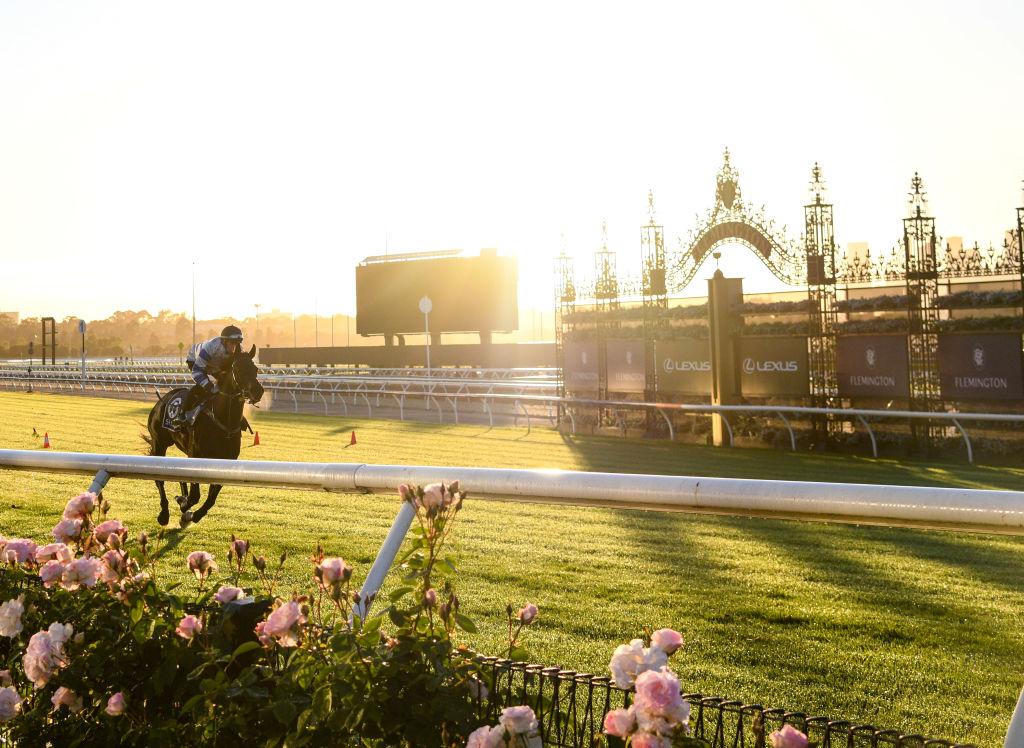
Before the Crowds Arrive
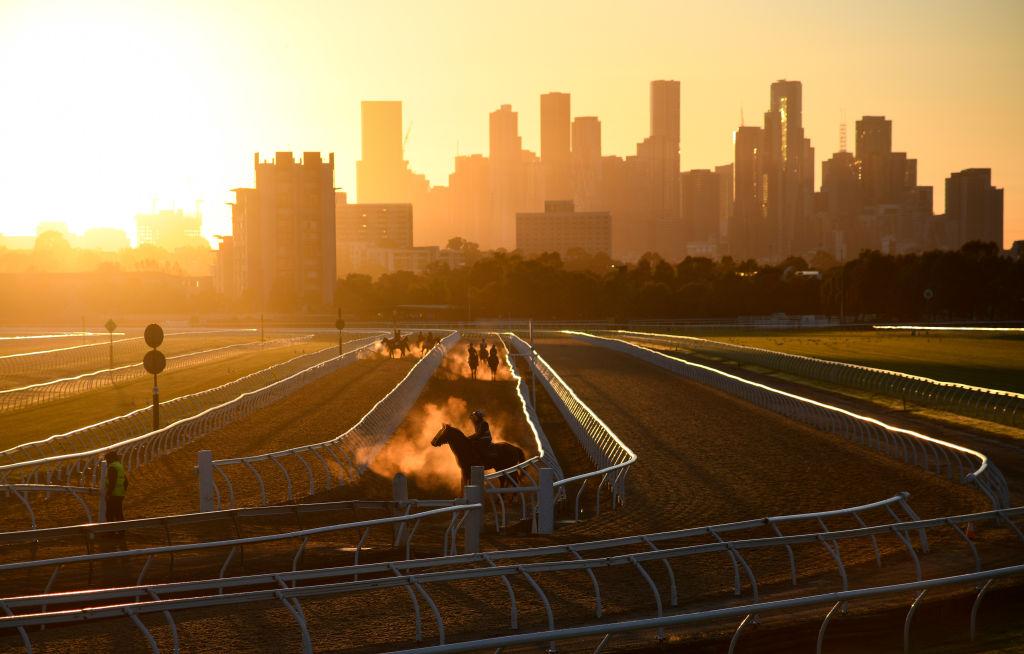
The first signs of race day can appear while most of the city is still asleep.
At the racecourse, workers are already preparing.
The track needs to be inspected.
Facilities need to be checked.
Stable areas need to be ready.
Officials, veterinarians, trainers and stable staff begin preparing for the horses.
Meanwhile, businesses connected to the event are getting ready for thousands of visitors.
Catering teams prepare food.
Hospitality areas are arranged.
Security teams take their positions.
Media crews begin setting up equipment.
The enormous spectacle people see at midday has already taken hours of preparation.
Then the Horses Arrive
The horses are the reason everything exists.
They arrive at the course under carefully managed conditions.
For the public, a racehorse may look calm and elegant as it walks through the stable area.
For the racing team, there is much more to observe.
How is the horse behaving?
Is it relaxed?
Is it alert?
Does it appear comfortable?
Does anything look different from its normal routine?
Trainers and stable staff know their horses extremely well.
Small changes can matter.
The Racecourse Begins to Fill
As morning becomes afternoon, the atmosphere changes.
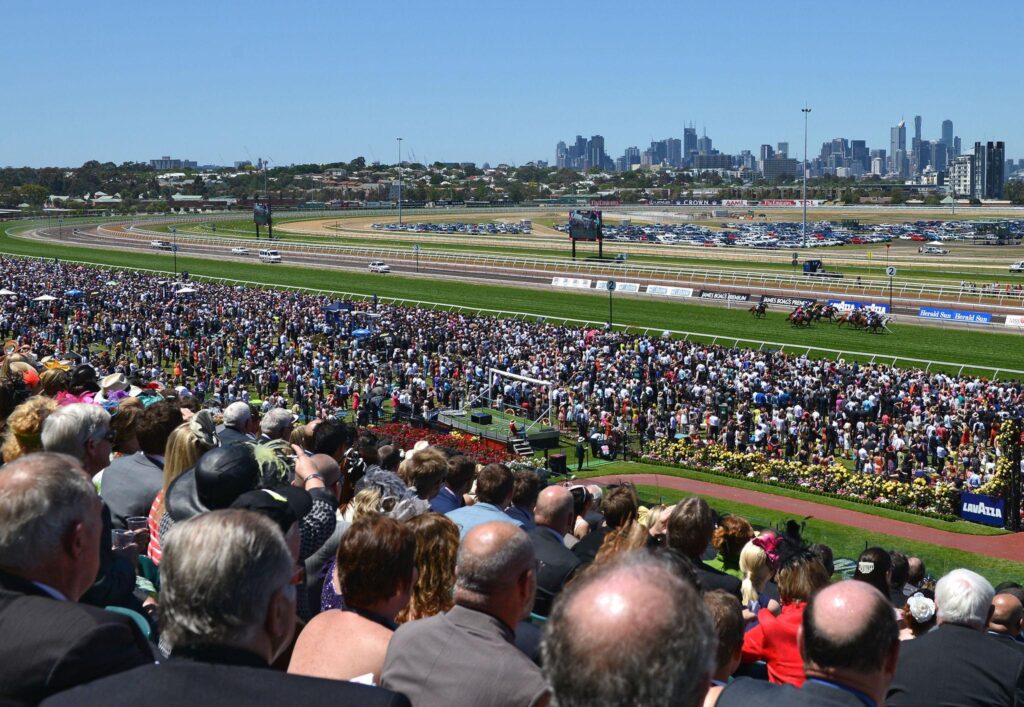
The quiet racecourse starts filling with people.
Car parks become busier.
Queues appear.
Restaurants and hospitality areas begin filling.
The sound of conversation spreads through the grandstands.
Then the first race approaches.
The crowd suddenly becomes more focused.
People move toward viewing areas.
Phones come out.
Binoculars are raised.
The atmosphere changes again.
The Paddock Is Where the Excitement Builds
Before a race, horses are presented in the mounting yard or parade ring.
This is one of the most fascinating places to watch.
Spectators aren’t simply looking at horses.
They are watching behaviour.
A horse walking calmly may attract attention.
Another may appear particularly energetic.
Jockeys arrive.
Trainers make final observations.
Owners watch closely.
For a few minutes, the paddock becomes a meeting point between the racing professionals and the public.
Then the Jockeys Get On
Once the jockeys mount, the mood becomes more serious.
The horses leave the parade area.
The jockeys settle into position.
Trainers and owners watch them head toward the barriers.
The race is no longer an idea.
It is about to happen.
The Roar Begins
Then the barriers open.
The sound changes instantly.
Thousands of voices rise together.
Hooves strike the ground.
The horses accelerate.
For a few minutes, almost everything else disappears.
People stop talking about their phones, their food or their outfits.
They watch the horses.
They shout for their selection.
They react to every move.
A horse makes a run.
The crowd responds.
Another horse gets a gap.
The noise rises again.
And then the finish arrives.
Three Minutes Can Feel Like Thirty Seconds
One of the strange things about horse racing is how quickly the actual race can pass.
People may spend hours at the racecourse.
They may travel across the country.
They may spend weeks talking about the event.
Then the race itself is over in minutes.
The winning horse crosses the line.
The crowd erupts.
Photographers move into position.
Officials confirm the result.
And suddenly the tension is gone.
Until the next race.
Behind the Winner Is a Team
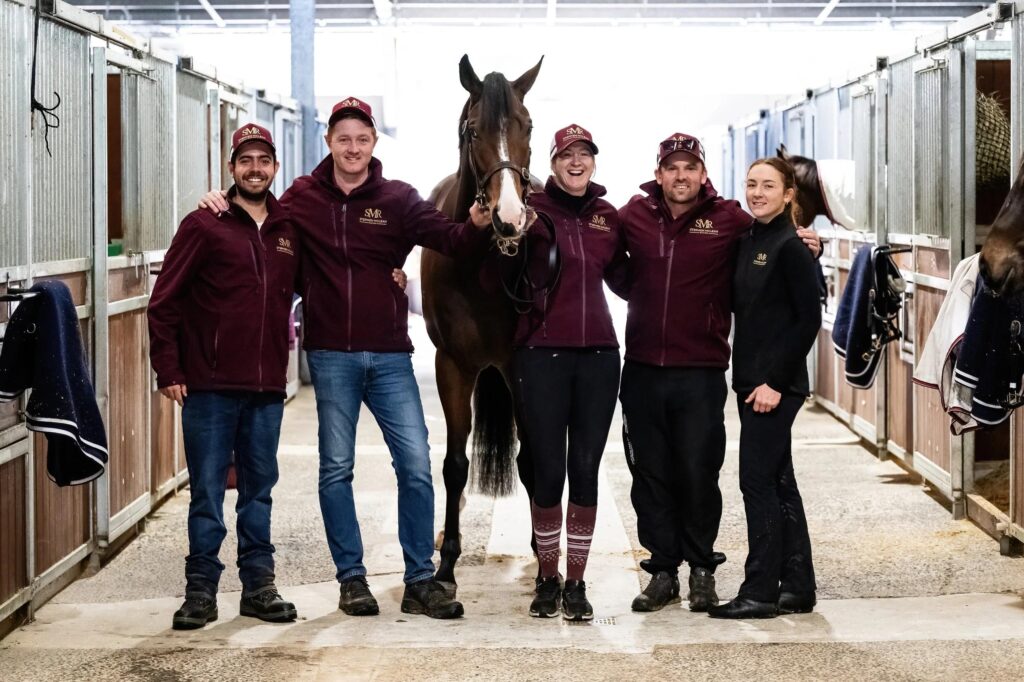
The winning horse may receive all the attention, but dozens of people can be connected to its success.
There is the trainer.
The jockey.
Stable staff.
Veterinarians.
Farriers.
Owners.
Transport teams.
Bloodstock professionals.
And many others working behind the scenes.
The winner’s photograph may show only a few people.
The real team is much larger.
The Business Side of Race Day
Major racing events are also major commercial occasions.
Hospitality packages bring businesses and guests together.
Restaurants and bars serve large numbers of visitors.
Fashion becomes part of the experience.
Sponsors gain exposure.
Media organisations send journalists, photographers and broadcasters.
Hotels and tourism businesses can benefit from visitors travelling to major events.
The racecourse becomes a meeting point for sport, entertainment and commerce.
That is one reason Australia’s biggest racing carnivals have an impact far beyond the track itself.
The People You Never Notice
Look carefully around a major racecourse and you will see hundreds of people performing jobs that spectators barely notice.
Someone is maintaining the facilities.
Someone is cleaning.
Someone is managing security.
Someone is preparing food.
Someone is handling communications.
Someone is moving equipment.
Someone is monitoring the horses.
Someone is making sure the race can actually happen.
The glamour of racing depends on an enormous amount of ordinary work.
When the Last Race Is Over
Eventually, the final race finishes.
The crowd begins leaving.
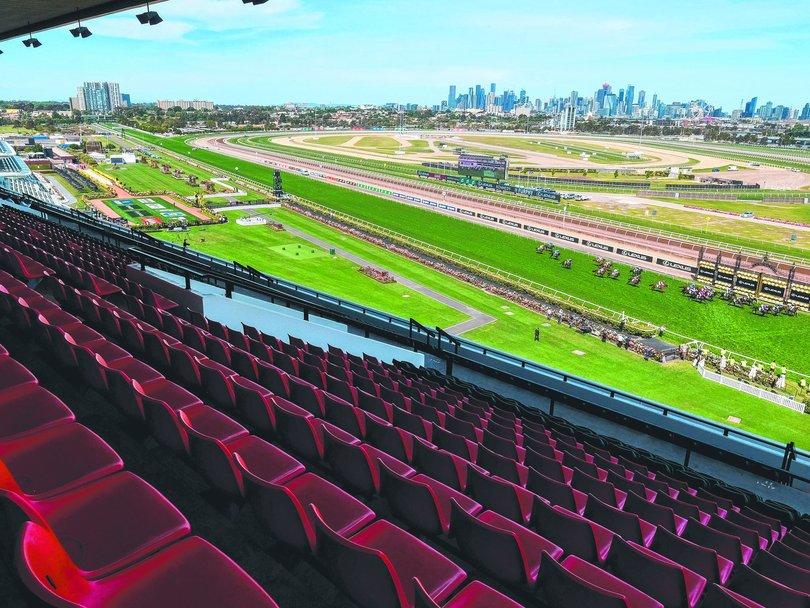
The grandstands become quieter.
The horses return to their stable areas.
The winning celebrations end.
But the work isn’t necessarily finished.
Equipment needs to be packed away.
Facilities need to be cleaned.
Horses need to be cared for.
Staff begin the process of closing down the event.
A race day that felt enormous a few hours earlier gradually disappears.
Tomorrow, It Starts Again
Perhaps the most remarkable part of a major race day is how temporary it is.
For one day, a racecourse becomes the centre of attention.
Thousands of people gather.
Millions may watch remotely.
Horses become national talking points.
Businesses compete for attention.
Stories are created.
Then the crowd disappears.
The track becomes quiet again.
But somewhere nearby, horses are already returning to their normal routines.
Trainers are thinking about the next race.
Jockeys are preparing for their next rides.
Stable staff are back to work.
And the next racing story is already beginning.
The Roar Is Only the Beginning
The next time you watch a major Australian race meeting, listen carefully to the roar.
It is not just the sound of people cheering.
It represents thousands of individual stories coming together.
A horse that has been trained for years.
A jockey waiting for the right opportunity.
A trainer hoping the preparation has worked.
An owner dreaming of a victory.
A stable worker who has cared for the horse every morning.
A photographer waiting for one perfect frame.
A business hoping for a successful day.
And thousands of spectators simply hoping to witness something unforgettable.
The roar lasts a few minutes.
The work behind it lasts all year.