Every year, millions of eyes turn toward Flemington for the Melbourne Cup.
The crowds arrive.
The grandstands fill.
The cameras are ready.
The horses enter the barriers.
For a few minutes, the entire country seems to stop and watch.
But the Melbourne Cup doesn’t really begin when the gates open.
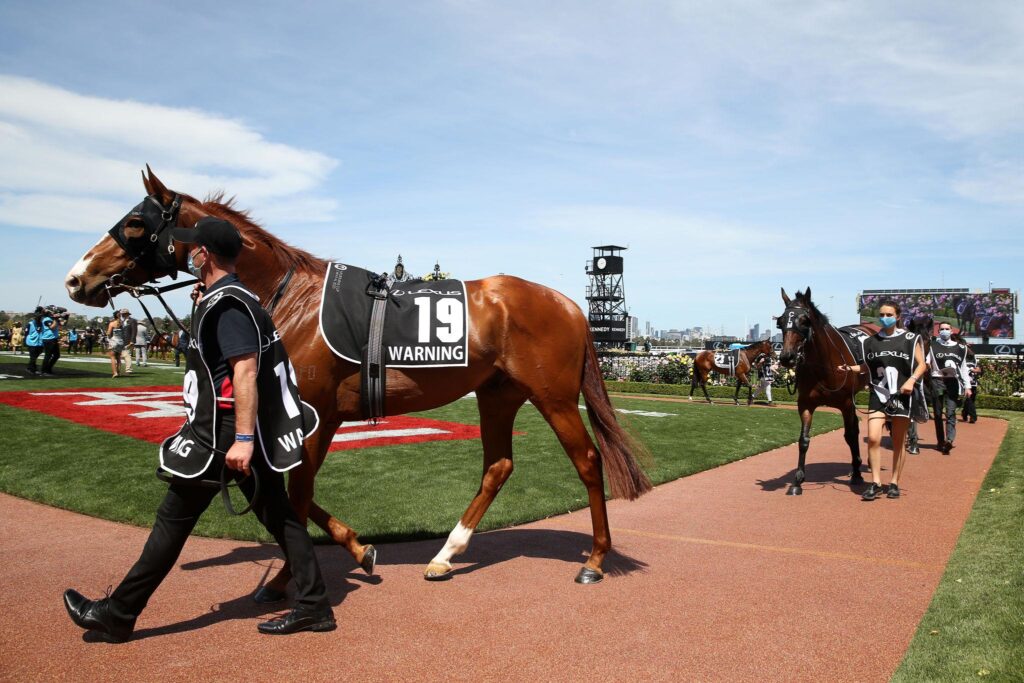
For the horses competing in Australia’s most famous race, the journey begins months and sometimes years earlier.
Long before the spotlight reaches Flemington, there is a quieter story taking place in breeding farms, training yards, veterinary clinics, transport trucks and country racecourses.
This is the journey nobody sees.
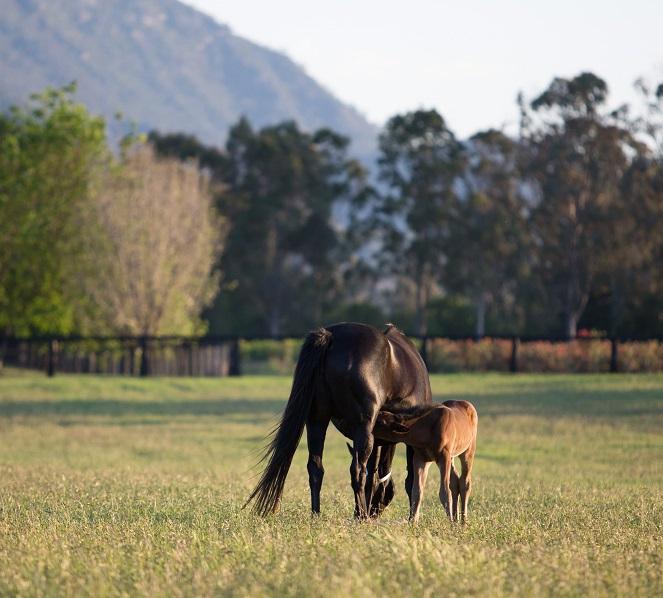
It Starts With a Foal
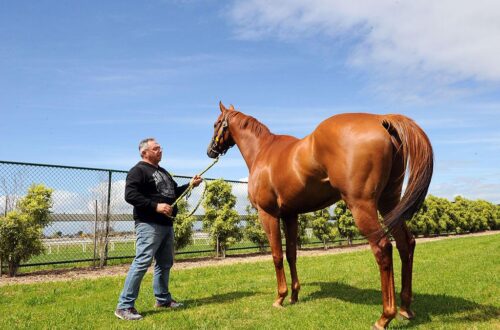
A future Melbourne Cup horse begins life without knowing anything about Flemington.
It may be born on a breeding farm hundreds of kilometres from Melbourne.
At first, it is simply a young thoroughbred learning how to walk, run and interact with its surroundings.
Breeders study its development.
They consider its bloodline.
They watch its movement.
They monitor its physical development.
Nobody can guarantee that the foal will become a champion.
But somewhere in those early years, people begin asking a question:
Could this horse have something special?
The Bloodline Matters
Thoroughbred racing has always placed enormous importance on breeding.
The parents of a young horse can influence how buyers, breeders and trainers view its potential.
A foal from a highly successful family may attract attention before it has ever raced.
But pedigree alone doesn’t win the Melbourne Cup.
Eventually, the horse has to prove itself.
A beautiful catalogue page cannot run around Flemington.
The horse has to.
From Young Horse to Racehorse
As the horse develops, its routine changes.
Training begins gradually.
It learns how to respond to people.
It becomes accustomed to being handled.
Eventually, it learns the basics of being ridden.
The process requires patience.
The goal isn’t simply to make a young horse run as fast as possible.
It is to develop an athlete capable of handling the physical and mental demands of racing.
That takes time.
The First Gallop
One of the most important moments can be surprisingly ordinary.
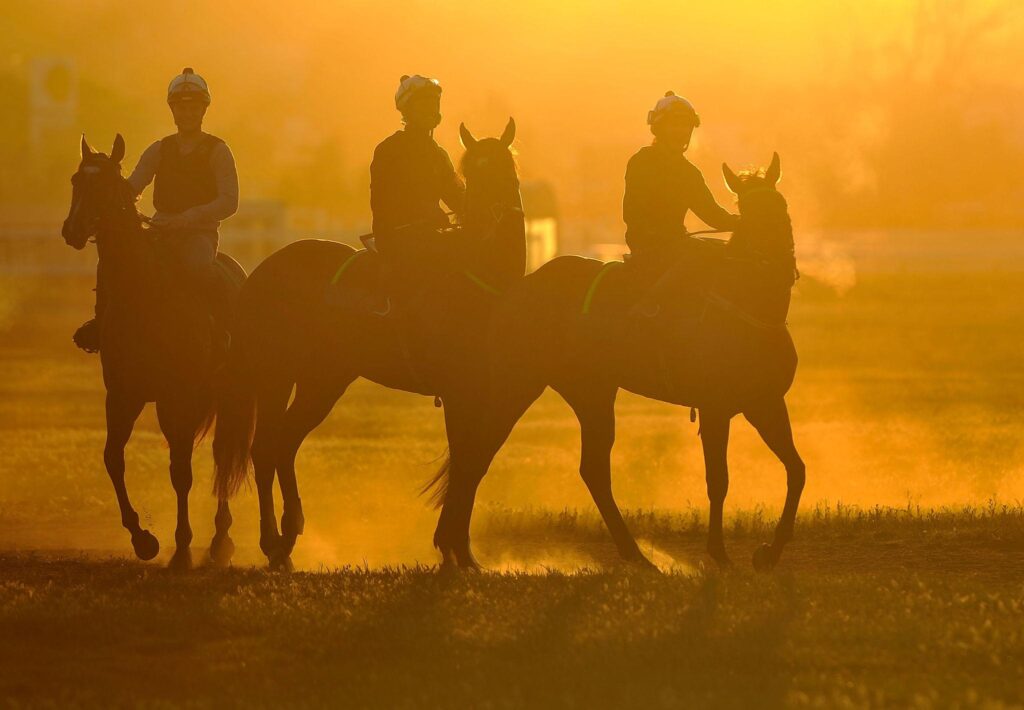
A young horse joins other horses on a training track.
It begins to gallop.
The trainer watches.
Perhaps nothing remarkable happens.
Perhaps the horse shows an unusual turn of foot.
Perhaps it struggles.
Perhaps it simply needs more time.
These early gallops are where trainers begin learning what kind of horse they have.
The future Melbourne Cup runner may still look like just another horse in a training yard.
The First Race
Eventually comes the first official race.
For the people around the horse, it can be an enormous moment.
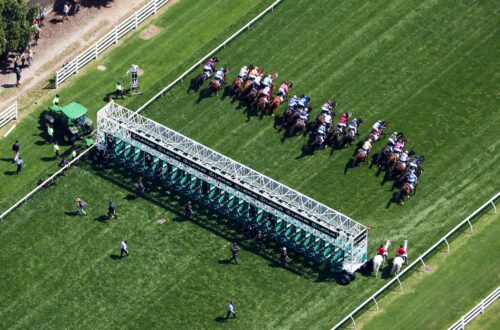
The horse enters the barriers.
The gates open.
Suddenly the months of preparation become real.
It may win.
It may finish midfield.
It may disappoint everyone.
Or it may show enough potential to suggest that something bigger could be possible.
But even a promising first race is only the beginning.
Building the Stamina
The Melbourne Cup is a 3200-metre staying race.
That distance creates a completely different challenge from a short sprint.
A horse needs more than raw speed.
It needs stamina.
It needs to settle.
It needs to conserve energy.
It needs to handle the pace.
And it needs enough strength to produce an effort near the end.
Training therefore becomes a carefully managed process.
The objective isn’t to make the horse exhausted in preparation.
It is to have the horse ready at exactly the right time.
The Trainer’s Puzzle
Preparing a Melbourne Cup horse is almost like solving a giant puzzle.
How much should the horse gallop?
When should it race?
How quickly should its workload increase?
Which races are suitable?
How does it respond after competition?
How is it recovering?
Every horse is different.
A program that works perfectly for one horse may not suit another.
The trainer has to understand the individual athlete.
The Jockey Enters the Story
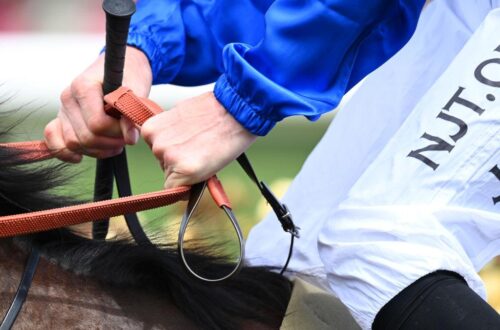
At some point, the jockey becomes an important part of the journey.
A jockey needs to understand the horse’s rhythm.
Does it race best near the leaders?
Does it prefer to settle back?
Does it relax behind other horses?
Does it respond immediately when asked for an effort?
These questions become increasingly important as the horse progresses.
A Melbourne Cup can be won or lost through timing.
And timing comes from understanding the horse.
The Veterinarian Nobody Sees
While the public watches races, veterinary professionals are constantly monitoring horses behind the scenes.
The health of a racehorse is fundamental to its ability to train and compete.
Regular examinations, injury management, recovery monitoring and preventative care all form part of the process.
The glamorous image of the Melbourne Cup depends on thousands of quieter decisions made long before race day.
The Long Road to Flemington
Not every horse that dreams of the Melbourne Cup gets there.
Some become injured.
Some aren’t fast enough.
Some are better suited to shorter distances.
Some simply never develop as expected.
This is an important part of the story.
For every horse that eventually walks into the Flemington barriers on Cup Day, there are countless others whose journeys ended somewhere along the way.
That makes reaching the starting gate an achievement in itself.
Then Comes the Build-Up
As spring approaches, attention begins shifting toward the major Australian racing carnival.
The horse’s races become more important.
Its form is studied.
Its fitness is discussed.
Its potential is debated.
Racing fans begin looking at possible contenders.
The horse that once trained quietly away from the public suddenly appears in newspapers, websites, broadcasts and social media.
The spotlight is getting closer.
The Final Preparations
Then comes the final stage.
The horse is fit.
The jockey is selected.
The racing team has a plan.
Travel arrangements are organised.
The horse reaches Flemington.
For the first time, the scale of the event becomes impossible to ignore.
Thousands of people are arriving.
Media crews are everywhere.
The grandstands are filling.
But the horse doesn’t understand the significance of the occasion.
It simply follows its routine.
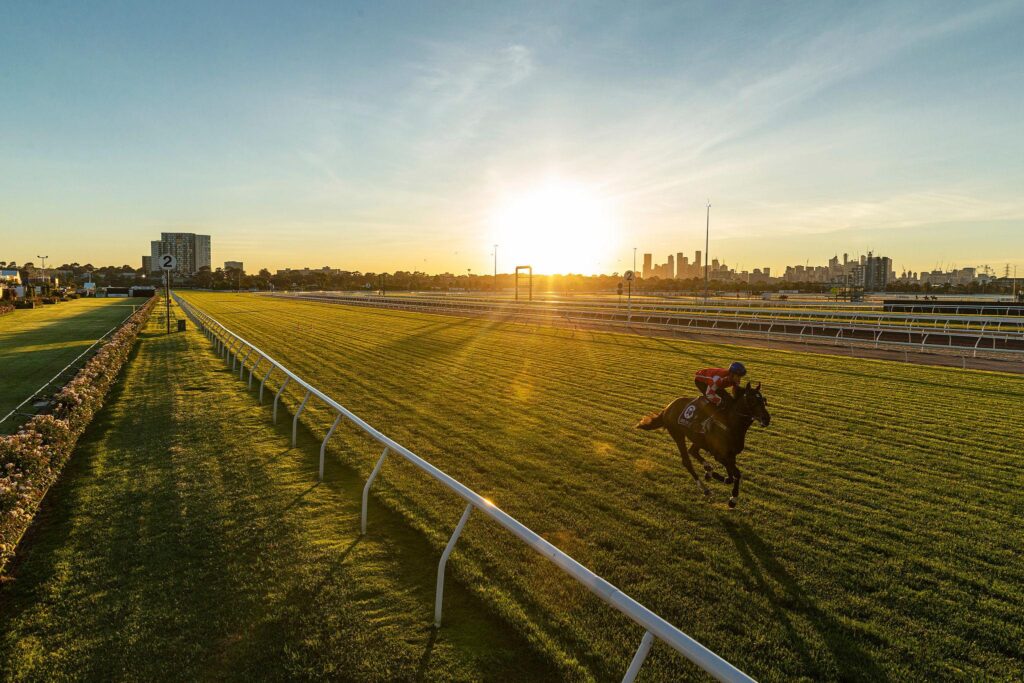
The Morning of the Melbourne Cup
While spectators are choosing outfits and making plans for the afternoon, the horses are going through their own routine.
They are fed.
Checked.
Groomed.
Prepared.
The stable environment is deliberately controlled.
The objective is simple:
keep the horse healthy, settled and ready.
There is no need for the horse to understand that millions of people are watching.
Its job remains the same.
Run.
Then the Moment Arrives
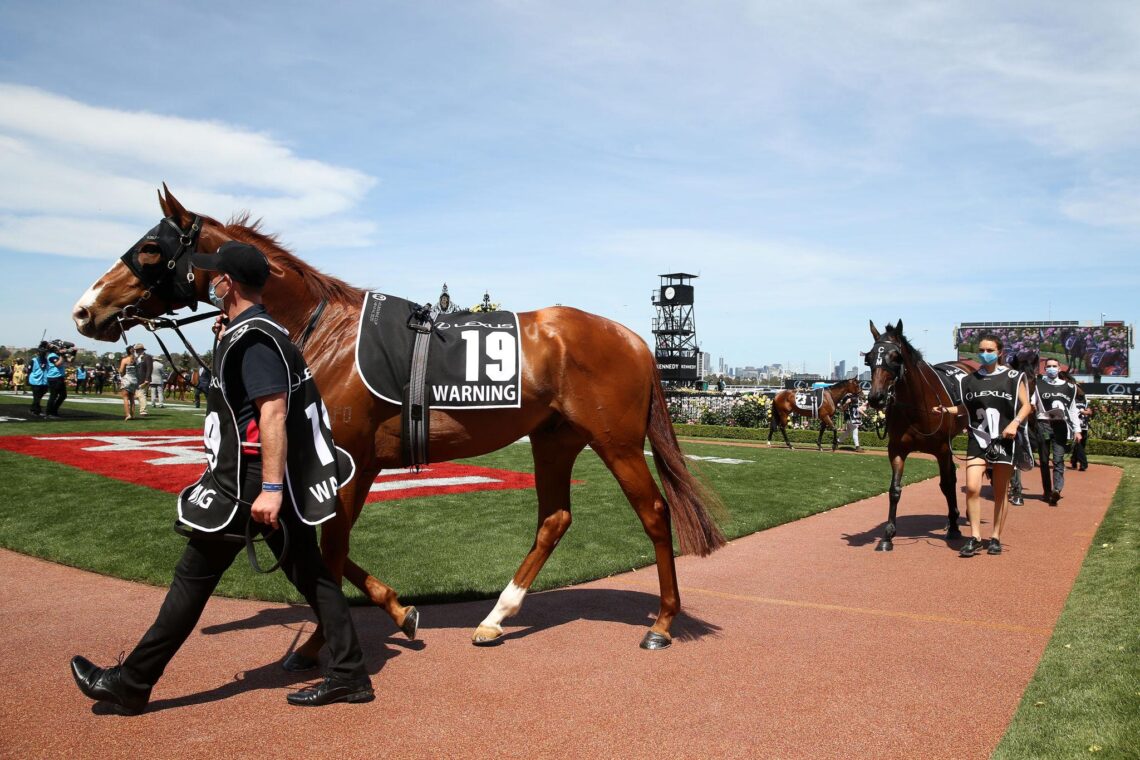
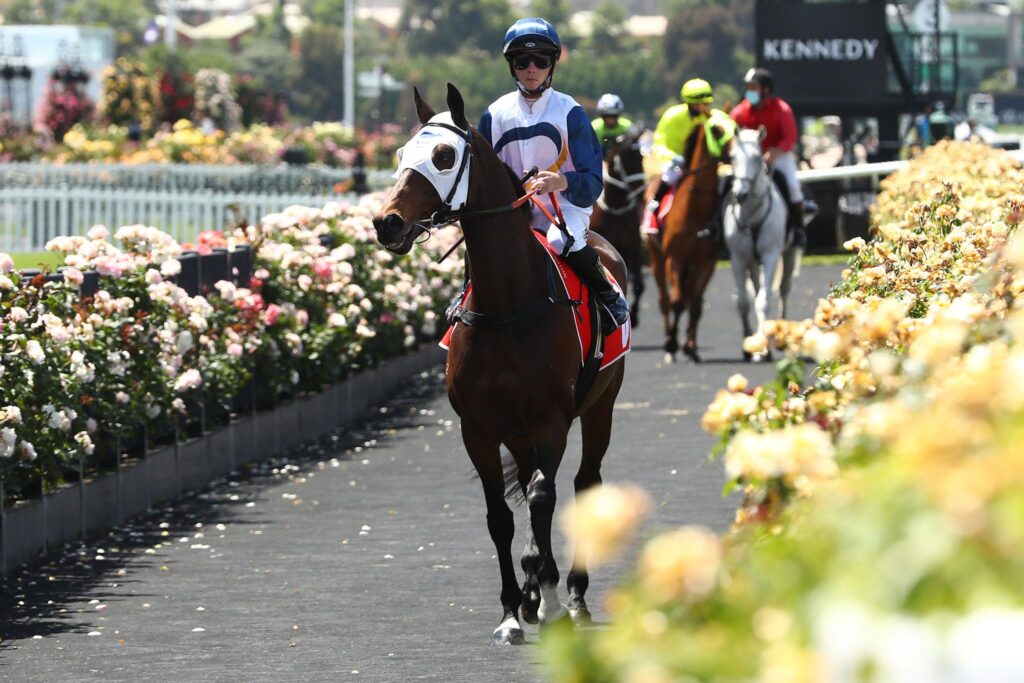
Eventually, the horse walks toward the mounting yard.
The cameras find it.
The crowd sees it.
The jockey mounts.
The horse heads toward the barriers.
And suddenly, the entire hidden journey is compressed into one moment.
The foal born years earlier.
The first training sessions.
The early gallops.
The disappointing races.
The victories.
The injuries overcome.
The long-distance preparation.
The early mornings.
The people who cared for it.
Everything has led here.
The Race Is Only the Final Chapter
When the Melbourne Cup begins, most spectators are seeing only the final chapter.
They see two miles of racing.
They see the jockeys.
They see the finish.
They see the winner.
But behind every runner is a story that began long before Cup Day.
A story of breeding.
Training.
Patience.
Risk.
Preparation.
And thousands of ordinary mornings that nobody photographed.
That is perhaps the most fascinating part of the Melbourne Cup.
The race lasts a few minutes.
The journey to reach it can take a lifetime.
And long before Flemington hears the roar of the crowd, somewhere in Australia, a young horse is taking its first steps toward a dream it doesn’t even know exists.