For the crowd, it is one of the most explosive moments in horse racing.
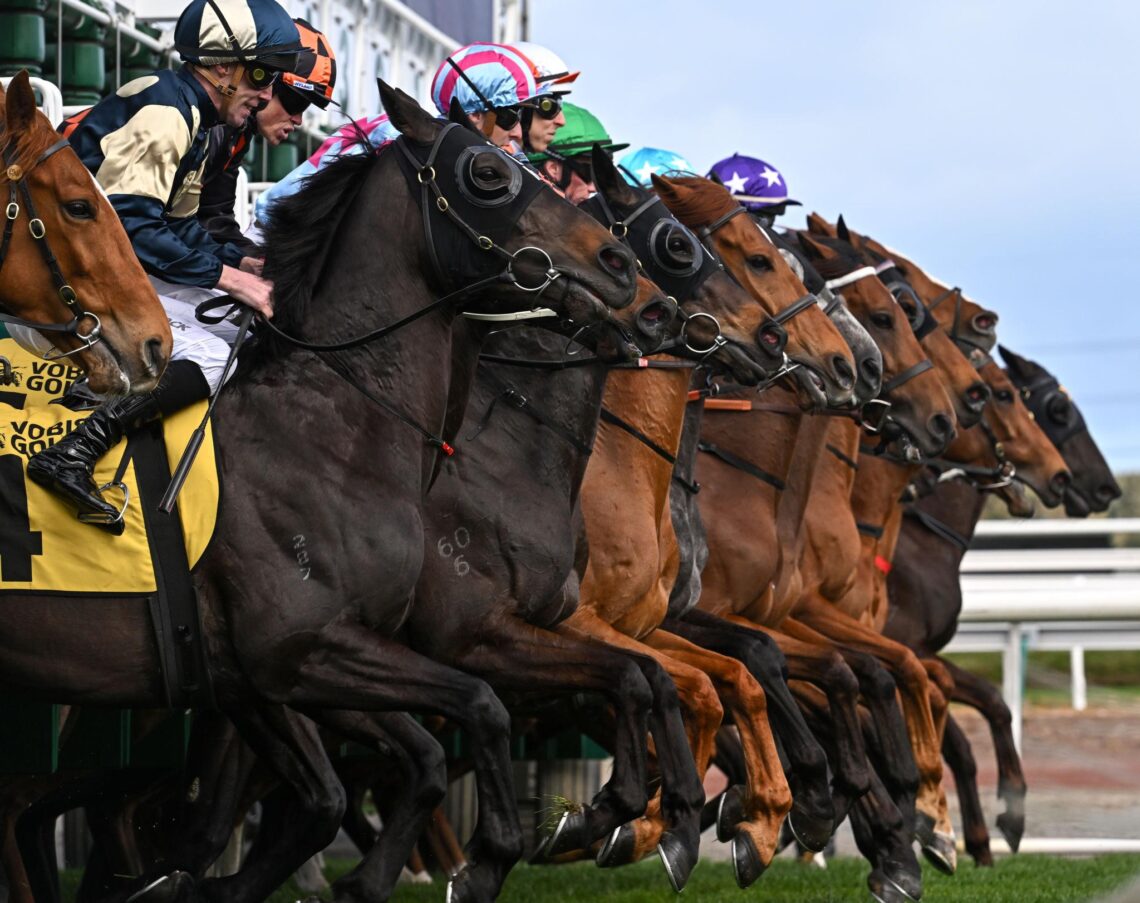
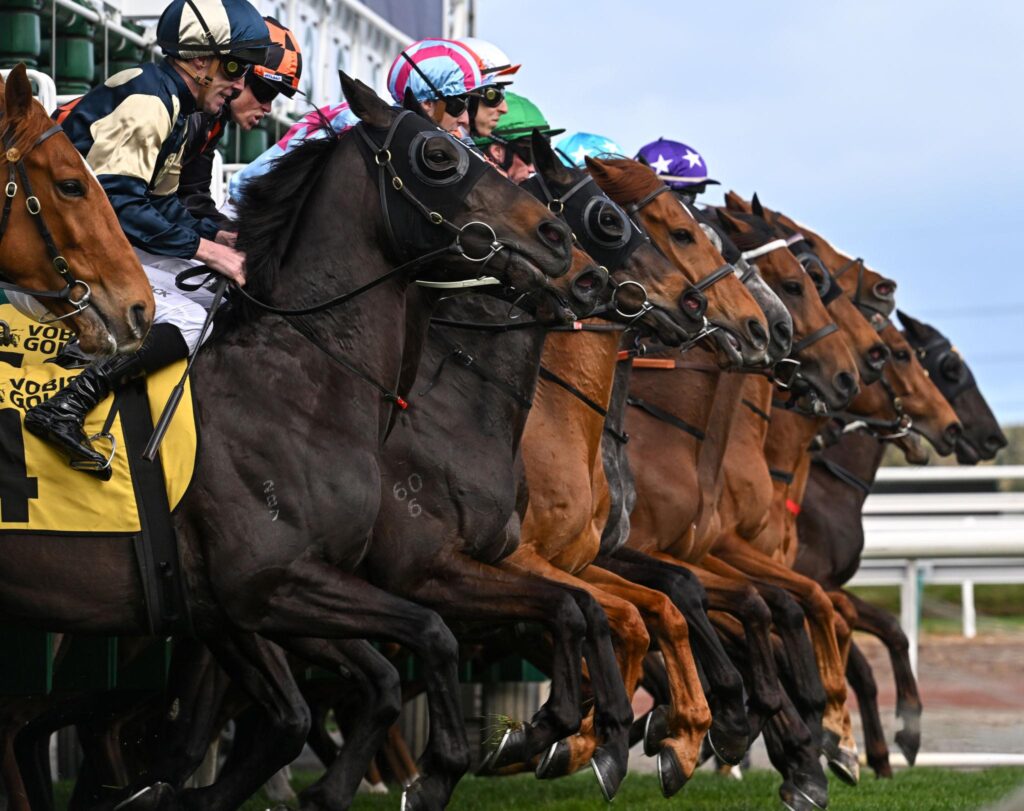
The barriers snap open.
A wall of horses surges forward.
Jockeys lean low over powerful necks, hooves thunder against the track, and thousands of spectators suddenly become one enormous roar.
But what does the horse actually experience?
What does a racehorse see when it charges out of the starting gate?
The answer is far more fascinating than simply “a horse running as fast as it can.”
The World Changes the Moment the Gates Open
Inside the starting barrier, a racehorse is surrounded by movement, noise and tension.
It can hear other horses shifting their weight. It can feel the jockey above its back. It can sense the excitement around the track.
Then the gates suddenly disappear.
For a fraction of a second, the horse has an entirely different visual world in front of it.
The track opens.
Other horses explode forward on both sides.
The jockey begins giving instructions.
And the horse’s attention shifts from waiting to running.
A racehorse does not need to understand the concept of a finish line. Its immediate response is based on training, instinct, balance and the cues it receives from its rider.
A Horse Doesn’t See the Race Like We Do
Imagine watching a race from the grandstand.
You see the entire field.
You can see which horse is leading, which one is trapped behind another runner and which horse is making a late move.
A horse experiences the race differently.
Its visual field is extremely wide compared with a human’s, allowing it to detect movement around much of its surroundings. But its vision is not simply a giant version of human eyesight.
Its attention is constantly changing.
Another horse moving beside it can suddenly become important. A gap opening ahead can become an opportunity. A change in the track surface may require an adjustment in balance.
At racing speed, these decisions happen incredibly quickly.
The Horse in Front Is Not the Only Thing It Sees
One of the biggest misconceptions about racing is that a horse simply looks straight ahead at the horse it is chasing.
In reality, a racehorse is processing much more.
There may be horses approaching from either side.
There may be movement in the crowd.
The rail is passing rapidly through its peripheral vision.
The track surface is changing beneath its feet with every stride.
Its ears are also constantly moving, helping it gather information from its surroundings.
The result is a remarkable combination of sight, sound, balance and physical sensation.
Then There Is the Jockey
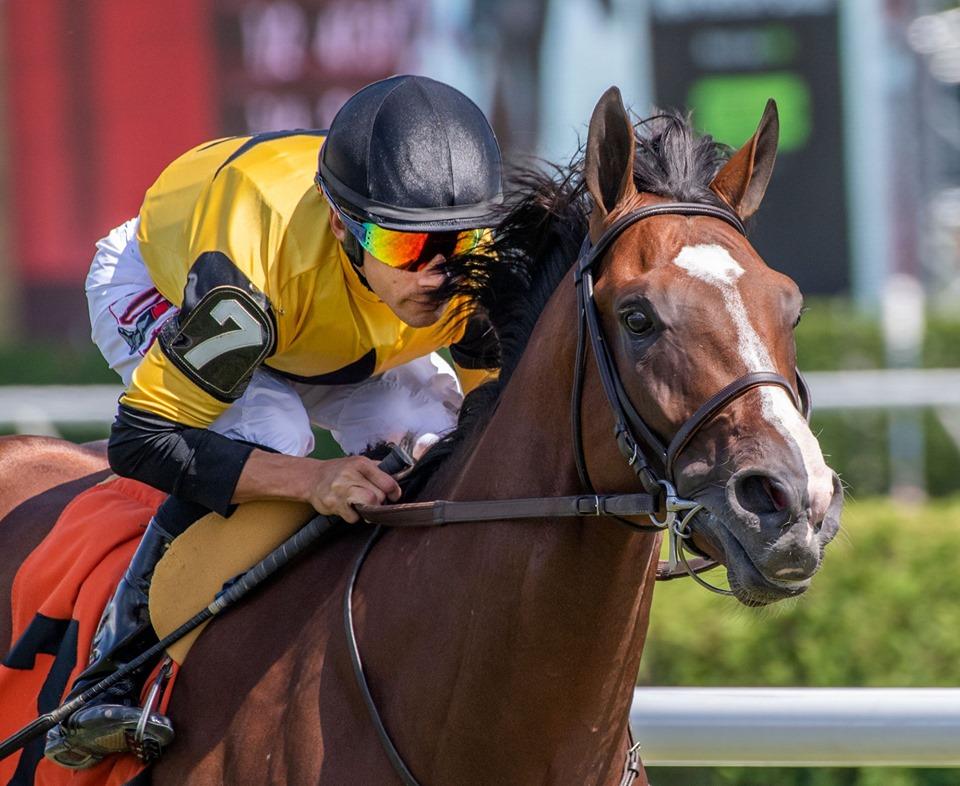
The relationship between horse and jockey becomes particularly important once the race begins.
A jockey does not simply sit on a horse and wait for it to run.
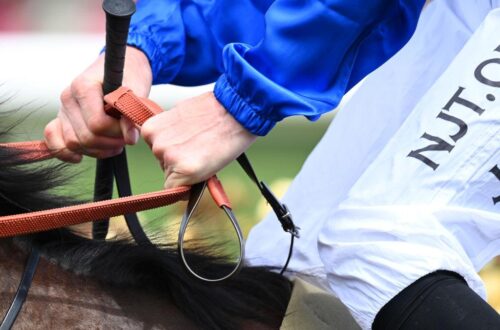
The rider is constantly communicating through body position, reins, legs and subtle changes in pressure.
Sometimes the message is essentially:
Stay relaxed.
Sometimes it is:
Hold your position.
And eventually:
Go.
The best jockeys are not necessarily fighting the horse. They are trying to make their instructions work with the horse’s natural movement and rhythm.
That becomes incredibly important during the final stages of a race.
The First Few Seconds Can Change Everything
The opening moments after the barriers open can determine the shape of the entire race.
A horse may break brilliantly and immediately find a favourable position.
Another may hesitate.
A third may be forced wide.
A horse that uses too much energy early can pay for it later.
This is why the first few seconds are not simply about speed.
They are about position, balance, rhythm and decision-making.
The jockey is already thinking several moves ahead while the horse is responding to the immediate environment.
What Does the Horse Feel?
Vision is only part of the story.
At full gallop, a racehorse is dealing with enormous physical forces.
Every stride involves the coordinated movement of its legs, body and neck. Its breathing becomes rapid. Its heart works harder. Its muscles are producing tremendous amounts of power.
The horse also feels the track through its feet.
Firm ground, soft ground, wet conditions or an unfamiliar surface can alter how each stride feels.
That information is being processed continuously.
For a human spectator, a race may look like a smooth blur.
For the horse, every stride is physical information.
The Roar of the Crowd
Now imagine being surrounded by thousands of people while running at extraordinary speed.
For a racehorse accustomed to racing environments, the noise is part of the experience it has learned to handle.
But horses are highly sensitive animals, and their reactions can vary.
Some appear completely focused.
Others can become unsettled by unusual sounds or movements.
This is one reason preparation matters so much.
A racehorse isn’t suddenly expected to cope with a huge crowd on its biggest day without previous exposure to racing environments.
The Final Straight Looks Different
Then comes the moment every racing fan waits for.
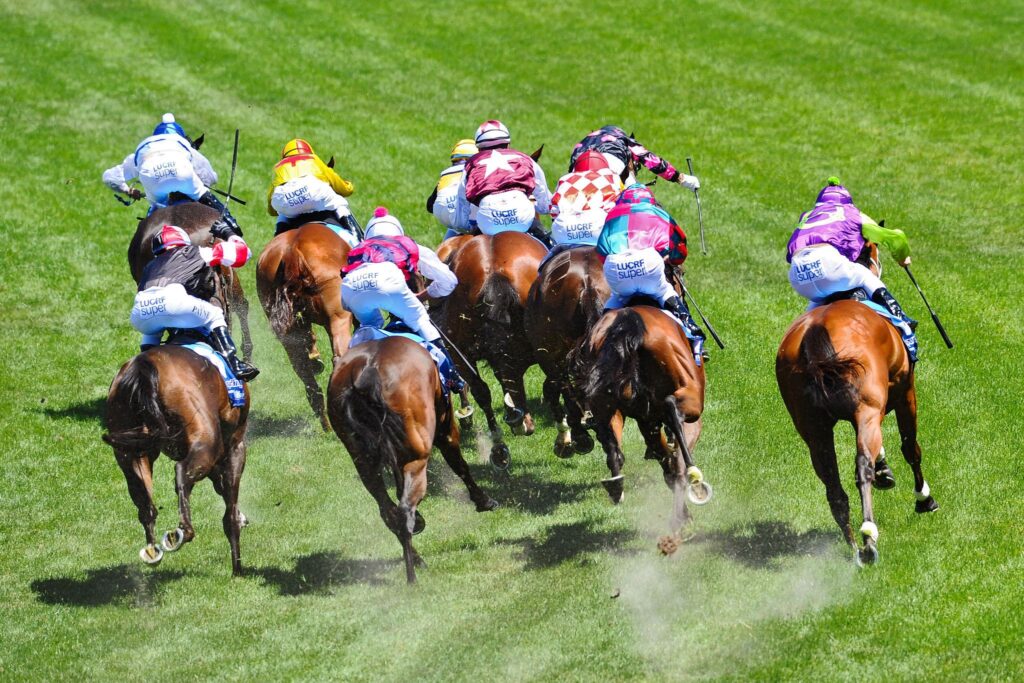
The field turns into the home straight.
The finish line is approaching.
The crowd gets louder.
The jockeys begin asking their horses for more.
From the grandstand, the race may appear almost chaotic.
From the horse’s perspective, however, the experience is intensely physical.
The rhythm of the gallop changes.
The jockey’s body position changes.
Other horses may appear beside it.
And suddenly the space ahead begins disappearing faster and faster.
A horse that still has energy can produce an extraordinary final burst.
This is where races are often won.
What Makes the Final 100 Metres So Incredible?
A horse cannot simply sprint indefinitely.
Energy has to be managed.
A jockey who asks for maximum effort too early may leave the horse with nothing for the finish.
A rider who waits too long may discover that the winning opportunity has already disappeared.
That is why experienced jockeys spend an entire race managing timing.
The final acceleration isn’t simply about pressing a button.
It is the result of everything that happened before it.
The Horse Doesn’t Know It’s a Celebrity
For spectators, winning a major race can create headlines, photographs, interviews and celebrations.
For the horse, the experience is much simpler.
It has been trained to run.
It responds to its environment.
It follows the cues of its rider.
It competes against the other horses around it.
And when the race is finished, its immediate world changes again.
The noise begins to fade.
The horse slows down.
Breathing gradually settles.
The jockey dismounts.
The race is over.
The Most Amazing Part Is What We Can’t See
A few minutes of horse racing can look deceptively simple.
Horses run.
Jockeys ride.
Someone wins.
But from the saddle—or more accurately, from the horse’s perspective—the experience is a rapidly changing combination of movement, sound, vision, balance, pressure and instinct.
The next time you watch a race, don’t just watch the leader.
Look at the horses around it.
Watch their ears.
Watch their positions.
Watch how they respond when another horse moves beside them.
Watch the jockeys.
And especially watch the moment the barriers open.
Because in that instant, an entire world changes.
The crowd sees a race beginning.
The jockey sees an opportunity.
But the horse experiences something far more immediate: the track opening in front of it and thousands of metres of movement compressed into a few breathtaking minutes.