A horse can be fit, fast and perfectly prepared.
A jockey can have a brilliant strategy.
The trainer can believe everything is in place.
Then the barrier draw is announced.
Suddenly, the entire race can look different.
In horse racing, the starting barrier is only a number beside a horse’s name. But once the gates open, that number can influence positioning, tactics, energy use and the path a horse takes around the track.
It doesn’t guarantee who will win.
But it can change the challenge facing every runner.
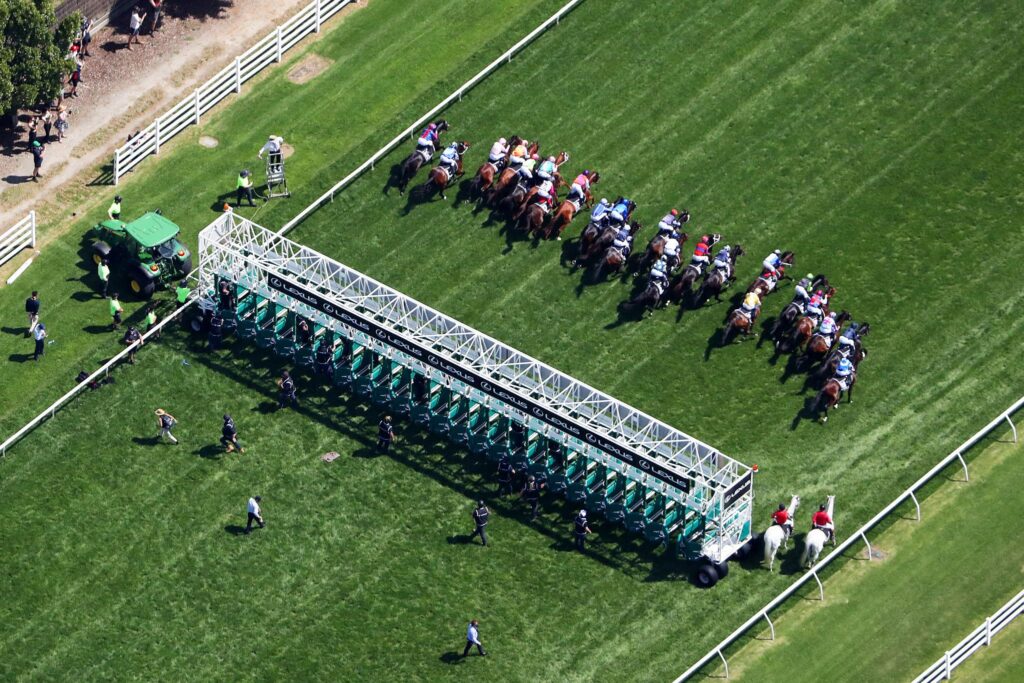
What Is a Starting Barrier?
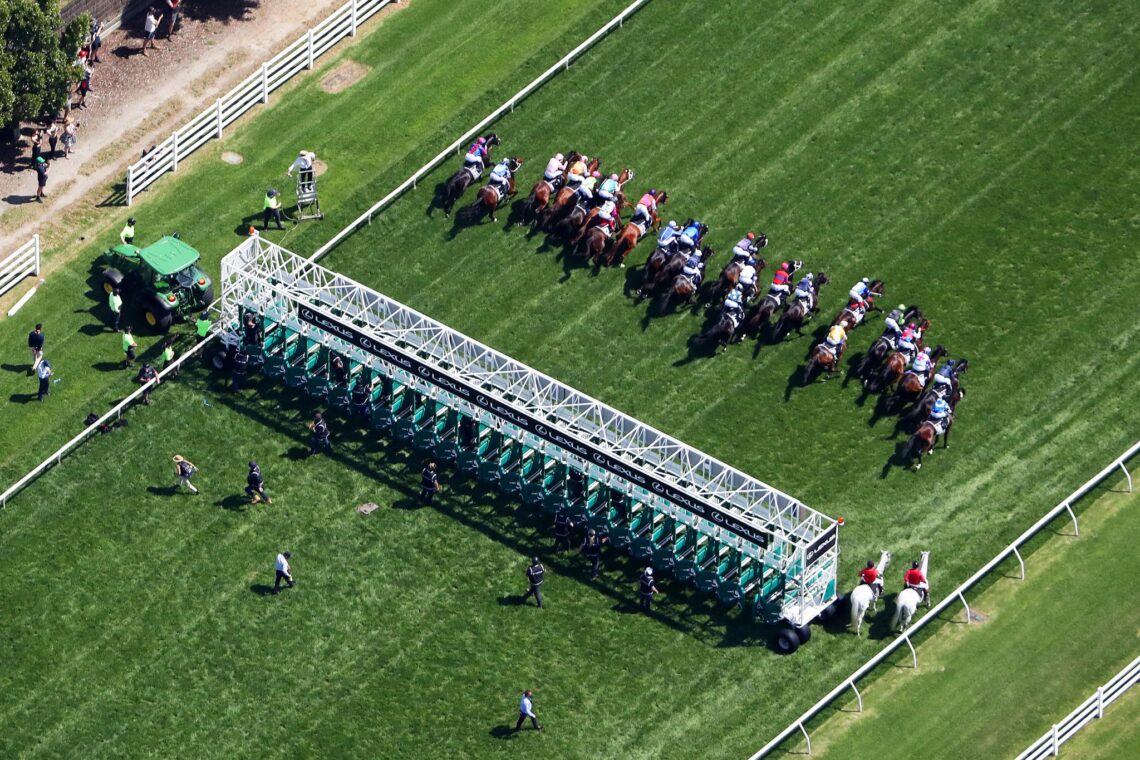
The starting barrier determines where a horse begins the race.
In a straight-line sprint, the effect may be relatively straightforward.
But on a track with turns, the starting position can become much more important.
A horse starting close to the inside rail may have a shorter route.
A horse starting wider may have more space but potentially face a longer journey if it is forced to race wide around bends.
The importance of each barrier therefore depends heavily on the track, distance, field size and racing conditions.
Why the Inside Barrier Can Be Valuable
Imagine ten horses approaching the first turn.
The horse closest to the rail has the opportunity to take the shortest route.
That can save ground.
Over a short distance, the difference may be small.
Over a longer race with several turns, however, repeatedly travelling wider can add distance and require additional energy.
This is why inside barriers are often considered advantageous in certain circumstances.
But there is a catch.
The shortest route isn’t automatically the best route.
The Trap of Being Too Close to the Rail
Starting near the inside can create another problem: traffic.
If several horses move forward at the same time, the horse inside the field may find itself surrounded.
There may be nowhere to move.
If the pace slows, the horse can become trapped behind other runners.
A jockey may have to wait for a gap to appear.
Meanwhile, horses on the outside may have more freedom to change position.
So an inside barrier can offer a shorter path while simultaneously creating tactical complications.
Why Wide Barriers Aren’t Always Bad
A wide barrier often looks unattractive on paper.
But some horses actually benefit from having room.
A horse that likes to settle back and make a late run may not need to fight for an early position.
A wide starting position can also give a jockey more options depending on the track and race pace.
The key question isn’t simply:
“Is this a good barrier?”
It is:
“Is this a good barrier for this horse, on this track, at this distance?”
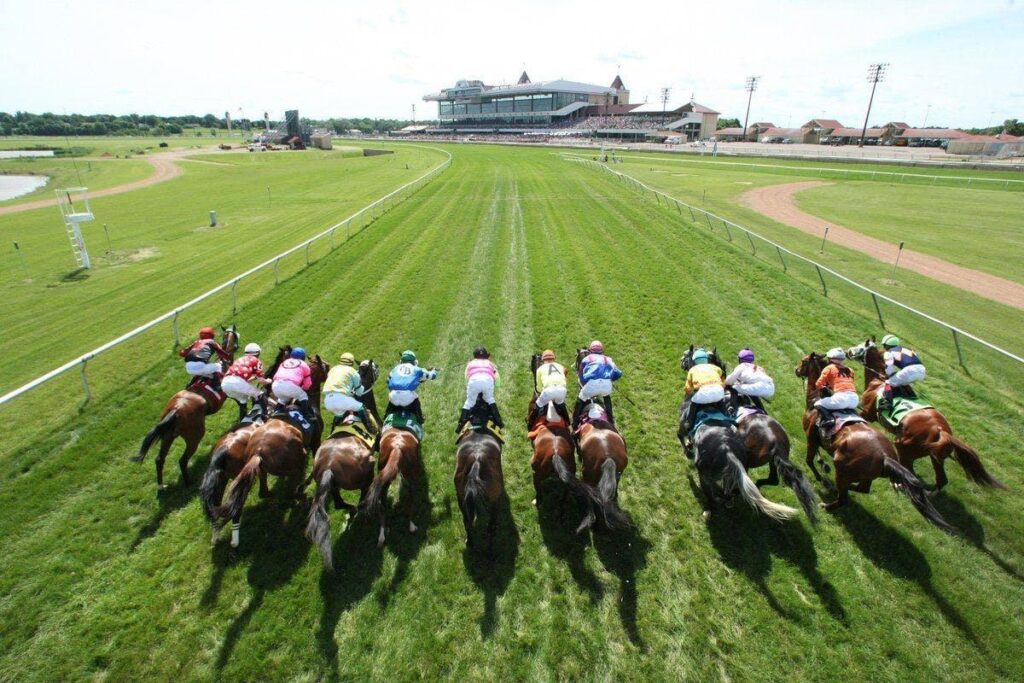
The Jockey Can Change the Equation
This is where strategy becomes fascinating.
Two horses can start from the same barrier and produce completely different races.
Why?
Because their jockeys may make different decisions.
One rider might push forward immediately.
Another might settle behind the leaders.
A third might deliberately stay wide.
The barrier provides the starting position.
The jockey decides what to do with it.
The First 100 Metres Matter
Once the gates open, the barrier becomes only one part of the equation.
The horse’s jump can be just as important.
A fast beginning can allow a horse from a difficult barrier to move into a favourable position.
A slow beginning can make even a seemingly perfect barrier complicated.
That is why racing isn’t simply mathematics.
The number beside the horse’s name is only the beginning.
The Track Changes Everything
A barrier that is advantageous at one Australian racecourse may not have the same impact at another.
Track layouts are different.
Some have long straights.
Some have short runs into the first turn.
Some have tight bends.
Some races begin relatively close to a corner.
Others give horses plenty of time to establish their positions before turning.
This is why experienced punters and racing professionals study the relationship between barrier and track layout.
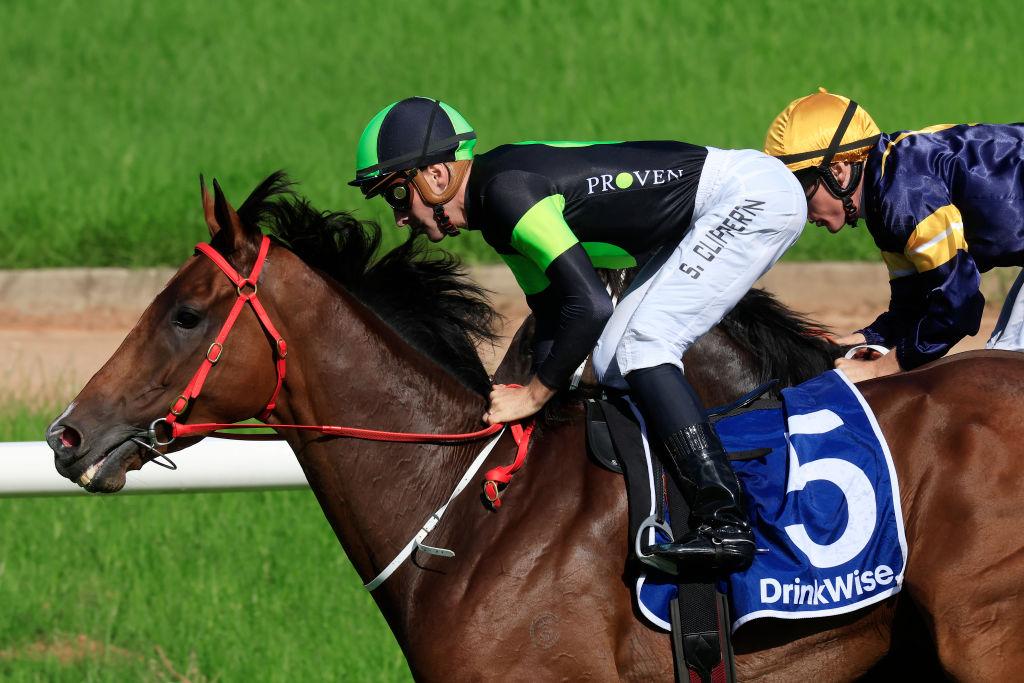
Distance Matters Too
Consider two races.
The first is a short sprint.
The horses reach the first turn quickly.
There may be very little time for a horse drawn wide to move across.
Now imagine a much longer race.
The runners may have considerably more time to find their positions before reaching important corners.
The same barrier can therefore create very different tactical problems depending on the distance.
A Barrier Can Change the Jockey’s Plan
Before the draw, a trainer and jockey may have a general idea of how they want to race.
After the draw, that plan may change.
A wide barrier might encourage a jockey to settle back.
An inside draw might make it possible to save ground.
A difficult position could require the horse to move forward early.
The barrier therefore influences the race before the race has even started.
The Psychological Effect
There is also a human side to barrier draws.
Owners and racing fans can become excited when their horse receives a favourable position.
A difficult draw can immediately create doubt.
But racing history is full of horses that overcame unfavourable barriers.
That is why barrier statistics should never be treated as destiny.
A good horse can overcome a difficult draw.
A poor tactical decision can waste a favourable one.
When the Barrier Doesn’t Matter
Sometimes the barrier becomes almost irrelevant.
A horse may jump brilliantly and quickly find its preferred position.
Another horse may be so fast that it can cross the field early.
A jockey may find a perfect gap.
Track conditions may change the expected advantage.
This unpredictability is part of what makes racing interesting.
The barrier creates a problem.
The race determines how that problem is solved.
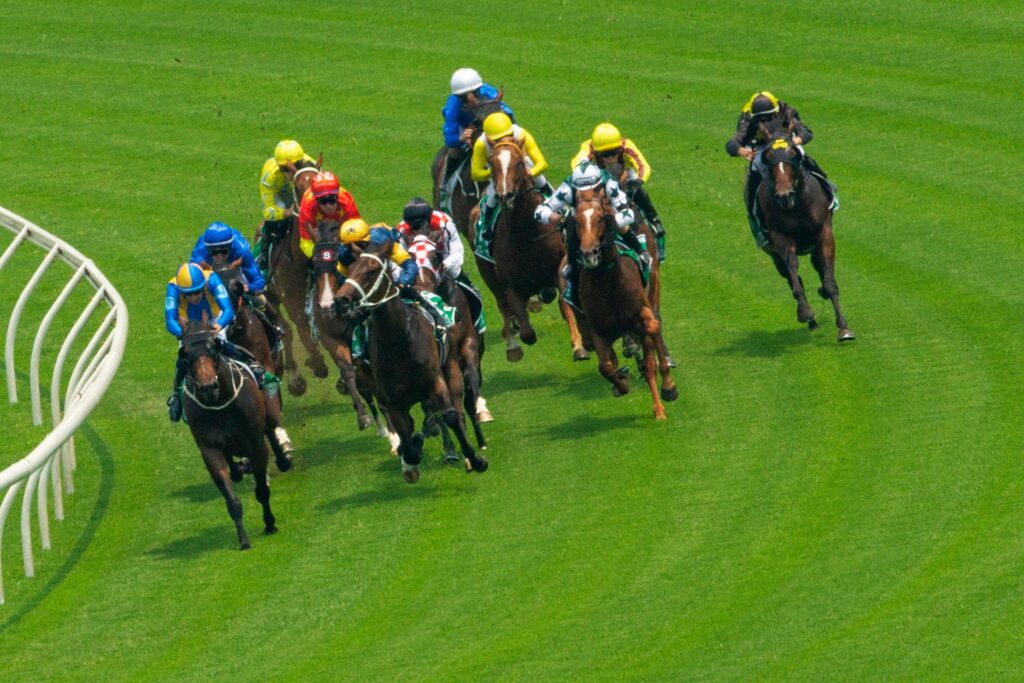
The Hidden Battle Before the Finish
When spectators watch a race, they usually focus on the horses in front.
But pay attention to the first few hundred metres.
Watch who moves forward.
Watch who gets trapped.
Watch which horses are forced wide.
Watch which jockeys are saving ground.
You are seeing the consequences of the barrier draw unfold in real time.
By the time the field reaches the final straight, some horses may have spent considerably more energy simply getting into position.
Others may have enjoyed a cleaner run.
That difference can become crucial.
One Number, Many Possibilities
A starting barrier cannot tell you which horse will win.
It cannot predict every move.
It cannot account for every decision, every change in pace or every unexpected opening.
But it can influence the shape of a race from the very beginning.
And that is what makes barrier draws so fascinating.
A single number can change a jockey’s strategy.
A strategy can change a horse’s position.
A position can change how much ground and energy the horse uses.
And those small differences can eventually matter at the finish.
The barrier doesn’t decide the race.
It decides the problem each horse has to solve.