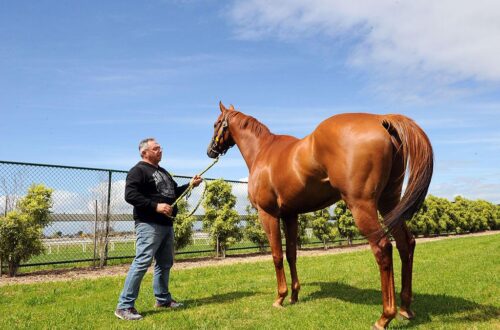
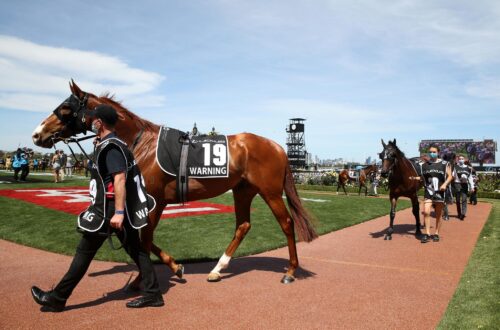
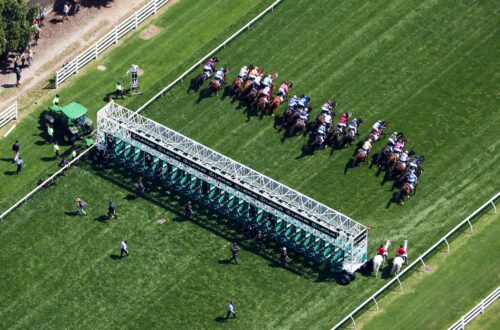
A horse race can look chaotic from the grandstand.
Thousands of people are shouting. Horses are running at extraordinary speed. Jockeys are crouched low in their saddles, surrounded by movement on every side.
Yet inside that chaos, something remarkably precise is happening.
A jockey is communicating with a horse almost continuously.
There are no spoken instructions.
No conversation.
No obvious commands.
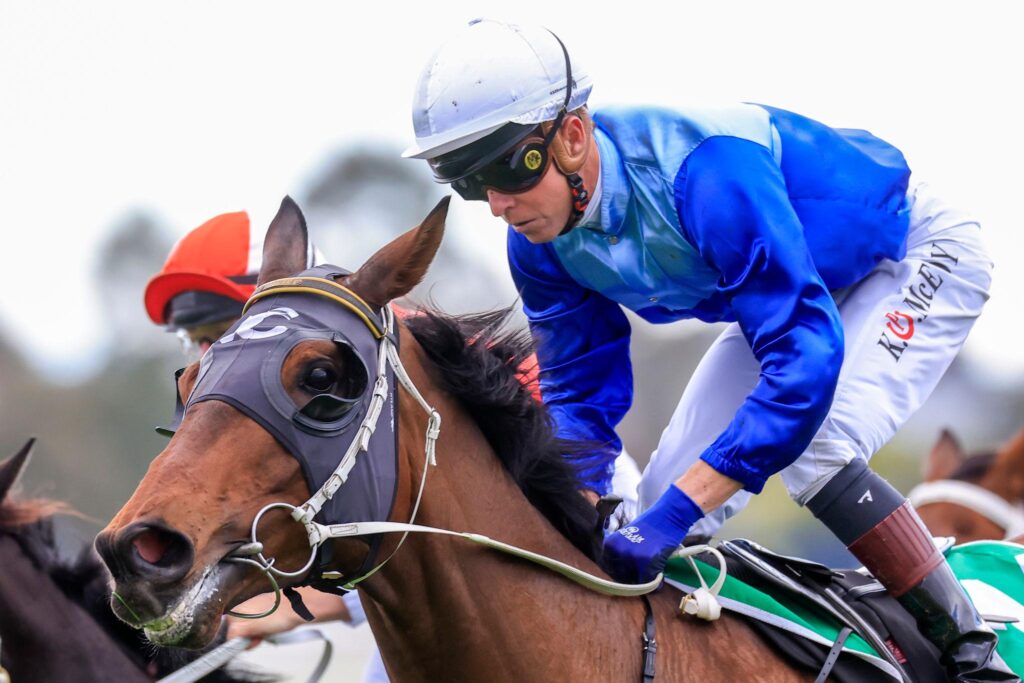
Instead, the communication happens through hands, legs, body position, balance, pressure and timing.
It is a language that most spectators never notice.
The Race Begins Before the Horse Runs
The relationship between jockey and horse doesn’t suddenly appear when the starting gates open.
It is built during training.
A jockey learns how a particular horse responds to pressure.
Does it accelerate immediately?
Does it need encouragement?
Does it relax when the reins are eased?
Does it tend to drift toward the rail?
Does it become impatient when another horse gets too close?
Every horse has its own personality.
A good jockey learns those individual characteristics.
That knowledge becomes extremely valuable when the race becomes difficult.
The Reins Are More Than Steering
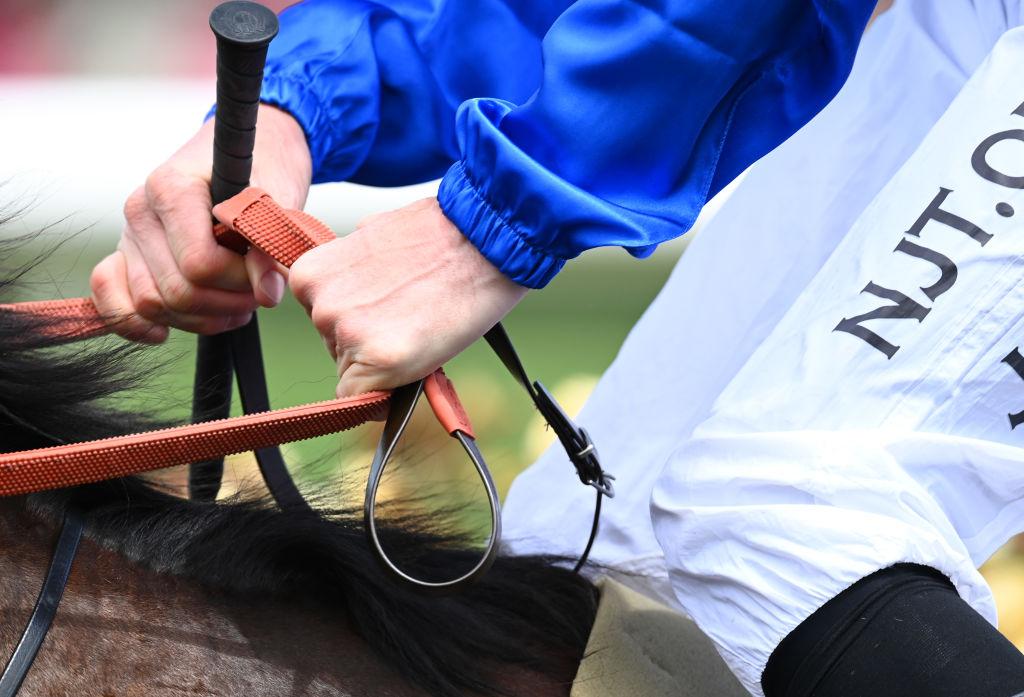
To a casual spectator, the reins simply appear to control direction.
They do much more than that.
Small changes in rein contact can provide information to the horse.
The jockey can encourage the horse to maintain its rhythm, adjust its position or respond to another movement in the field.
The objective isn’t necessarily to pull the horse around.
In fact, excessive interference can disrupt the horse’s natural movement.
The best communication can be remarkably subtle.
A tiny adjustment may be enough.
The Jockey’s Legs Speak Too
The jockey’s legs are another important part of the conversation.
Changes in pressure can encourage a horse to maintain its effort, change its position or respond to a developing situation.
This is especially important when the field becomes crowded.
The jockey may need the horse to move slightly without dramatically changing its rhythm.
That requires communication that is almost invisible to spectators.
Body Position Changes the Message
One of the most fascinating elements is the jockey’s body.
A jockey’s position changes throughout a race.
Early in the race, the rider may focus on helping the horse settle into its rhythm.
During a turn, balance and positioning become particularly important.
As the finish approaches, the jockey may ask the horse for a greater effort.
The horse can feel these changes through the rider’s weight and movement.
It isn’t a spoken command.
It is physical communication.
The Ears Tell a Story
If you watch a racehorse closely, pay attention to its ears.
They move constantly.
A horse can use its ears to gather information from its surroundings, and their position can provide clues about where its attention is directed.
During a race, a horse is processing an enormous amount of information.
Other horses are moving around it.
The crowd is making noise.
The track is passing underneath it.
The jockey is communicating from above.
The horse is responding to all of these signals simultaneously.
The Most Important Word Is Sometimes “Relax”
One of the biggest challenges for a jockey isn’t always making a horse run faster.
Sometimes it is making the horse wait.
A horse that becomes too excited early in a race can waste valuable energy.
The jockey may therefore try to settle the horse and keep it relaxed.
This is particularly important in longer races.
A horse that spends too much energy in the opening stages may struggle when the field reaches the final straight.
The jockey is therefore managing not only speed, but also energy.
Reading the Horse
Experienced jockeys develop an extraordinary feel for their mounts.
They can sense changes in rhythm.
They can feel whether a horse is travelling comfortably.
They may recognise when a horse has more energy available or when it is beginning to tire.
This information can influence decisions within seconds.
A jockey doesn’t have time to stop and analyse everything.
The communication has to become instinctive.
When the Race Suddenly Changes
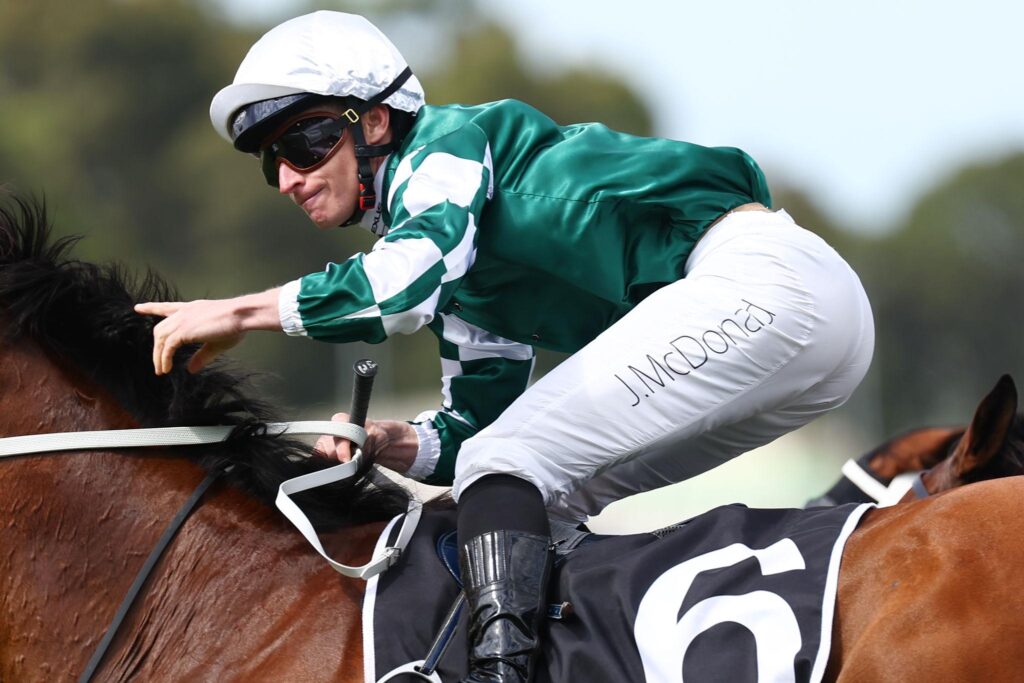
Imagine a horse travelling comfortably behind the leaders.
Suddenly, the horse in front moves.
A gap appears.
Another runner begins accelerating.
The jockey has to react.
Should the horse move forward?
Should it stay where it is?
Should it wait for a better opening?
The answer depends on the horse, the track, the distance and the situation.
The jockey communicates the decision through tiny physical changes.
To the audience, the horse may simply appear to change speed.
But there is a conversation happening.
The Final 200 Metres
Then comes the moment every jockey has been preparing for.
The final straight.
The horse has already spent much of its energy.
The jockey knows there is only a short distance remaining.
The communication changes.
The rider asks for maximum effort.
The horse responds.
The crowd becomes louder.
The gap between horses begins to disappear.
For a few seconds, the relationship between horse and jockey becomes almost impossible to separate.
The jockey is asking.
The horse is answering.
Not Every Horse Responds the Same Way
There is no universal language that works identically with every horse.
Some horses are naturally competitive.
Some need encouragement.
Some can become too aggressive.
Others need to be kept relaxed.
That is why the relationship between a jockey and a horse can take time to develop.
A successful combination is not simply about having the fastest horse or the most experienced jockey.
It is about understanding one another.
Trust Is the Real Language
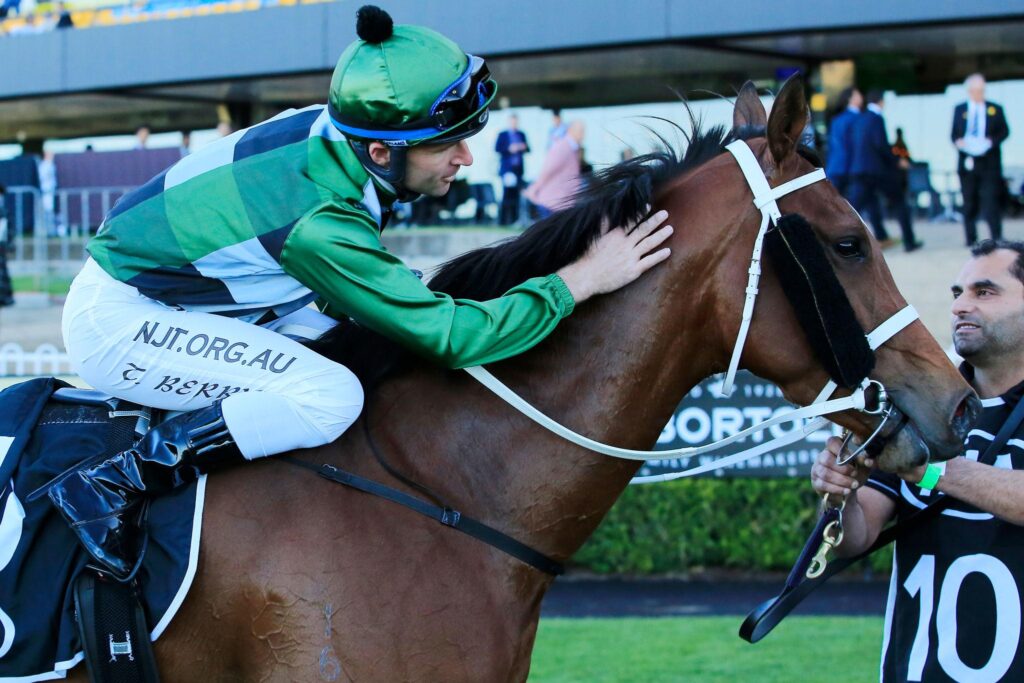
At high speed, there is very little room for hesitation.
The horse must trust the rider.
The rider must trust the horse.
When that relationship works perfectly, the result can look effortless.
The horse finds its rhythm.
The jockey makes the right decisions.
Both react almost automatically.
From the outside, it may look like one athlete.
In reality, it is a partnership between two very different athletes working together.
The Conversation Ends at the Finish Line
Once the race is over, the communication changes again.
The jockey eases the horse.
The pace comes down.
The horse begins recovering.
The intensity disappears.
The crowd may still be celebrating, but the conversation between horse and rider is already moving into its next phase.
There is no microphone.
No spoken interview.
No written instructions.
Just subtle signals that have been developed through countless hours of training.
And perhaps that is what makes the relationship so fascinating.
A jockey doesn’t need to shout for a horse to understand.
Sometimes the smallest movement can say everything.